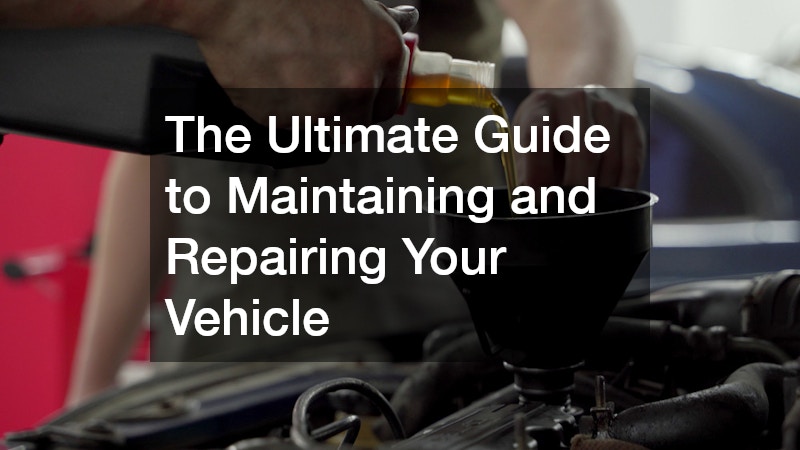
Owning a vehicle provides freedom and convenience, but it also comes with responsibilities. Proper maintenance ensures your car runs efficiently, remains safe to drive, and retains its value over time. Many drivers underestimate the importance of routine checks and preventative care, which can lead to expensive repairs or sudden breakdowns. From ensuring the engine runs smoothly to maintaining tires and brakes, every part of your car contributes to its overall reliability.
This guide covers practical strategies for keeping your vehicle in top condition. We’ll explore essential maintenance, repair services, sourcing quality parts, emergency planning, and specialty care for imported vehicles. Whether you’re a daily commuter or a weekend driver, understanding these practices will help you avoid costly mistakes, improve performance, and extend the lifespan of your car. By taking a proactive approach, you can enjoy peace of mind on the road and get the most value from your investment.
Routine Maintenance Checks
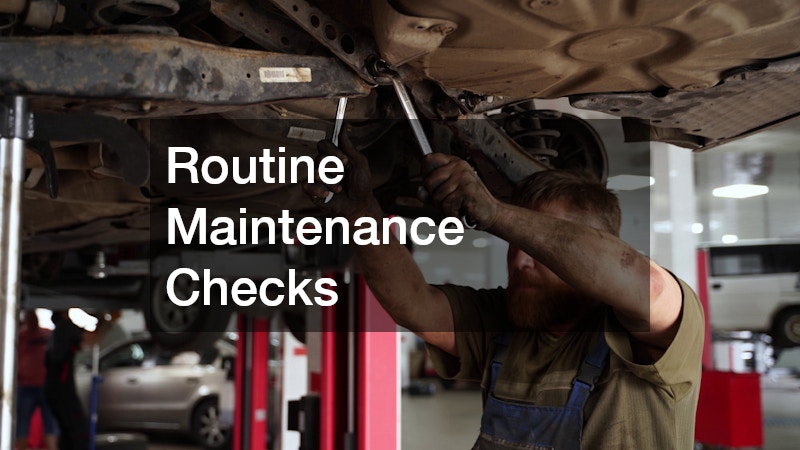
Engine Performance
-
Regularly check oil levels and quality to prevent engine wear and overheating.
-
Listen for unusual noises, knocking, or rattling, which may indicate worn components.
-
Inspect belts and hoses for cracks or fraying, as these can cause sudden failure.
-
Follow manufacturer-recommended service intervals for timing belt replacement, spark plug checks, and fuel system cleaning.
Fluid Inspections
-
Monitor brake, transmission, coolant, and power steering fluids for proper levels and color.
-
Low or dirty fluids often indicate leaks or contamination.
-
Replace fluids at recommended intervals to prevent corrosion, overheating, and component wear.
-
Keep a small supply of essential fluids for emergencies, especially on long trips.
Filter Replacements
-
Air, fuel, and cabin filters need regular attention to maintain performance and comfort.
-
Dirty filters can reduce fuel efficiency and strain the engine, leading to premature wear.
-
Replace filters according to the manufacturer’s guidelines or sooner if driving in dusty or polluted areas.
-
Clean filters also improve cabin air quality, benefiting passengers with allergies or respiratory issues.
Tire and Brake Checks
-
Inspect tire tread depth, pressure, and sidewall integrity monthly.
-
Uneven wear can indicate alignment issues, suspension problems, or underinflated tires.
-
Rotate tires every 5,000–7,500 miles to extend their lifespan and improve handling.
-
Check brake pads, rotors, and fluid levels regularly; squealing or grinding sounds indicate immediate attention is needed.
Auto Repair Services
Finding the Right Mechanic
-
Choose certified technicians with positive reputations in your community.
-
Ask friends, family, or local online forums for trusted auto repair recommendations
-
Make sure the shop handles both minor repairs and major engine or transmission work.
-
Compare service estimates, but don’t compromise quality for the lowest price.
Common Repairs
-
Brake replacements, engine tune-ups, and electrical system fixes are frequent needs.
-
Regular maintenance prevents small problems from turning into major repairs.
-
Familiarity with common issues helps you identify warning signs early.
-
Maintaining a detailed service log allows you to track recurring problems and identify patterns.
Specialty Services
-
Certain vehicles, like imports or luxury models, may require specialized knowledge.
-
Shops that provide foreign auto repair have the tools and expertise to handle unique systems.
-
Specialty services can include ECU diagnostics, turbocharger maintenance, or hybrid system repairs.
-
Discuss service plans with your mechanic to cover complex components before they fail.
Emergency Considerations
-
Keep a list of reliable service centers and towing contacts for roadside emergencies.
-
Carry basic emergency supplies like fluids, a tire repair kit, jumper cables, and a flashlight.
-
Address minor issues promptly; small problems often escalate if left unchecked.
-
Learn how to recognize serious warning signs that require immediate professional attention.
Sourcing Parts
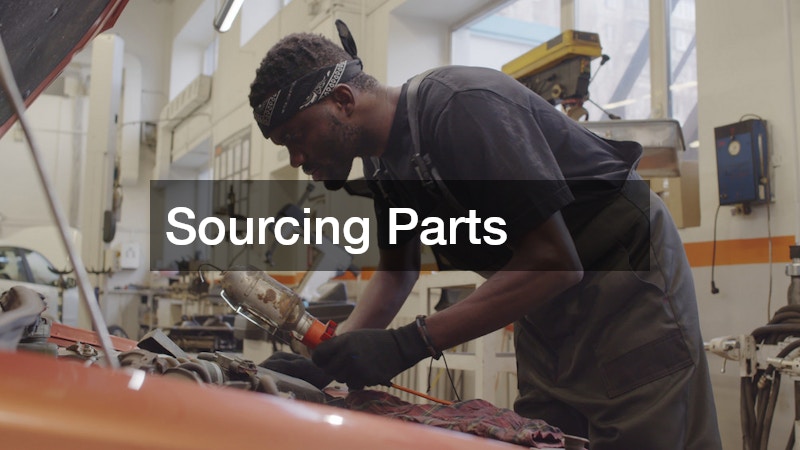
New vs. Used
-
New parts offer reliability and manufacturer warranties but come at a higher cost.
-
Used parts can be a cost-effective solution for older vehicles if carefully inspected.
-
Consider your car’s age, mileage, and intended use before choosing between new or used.
-
Retain receipts and documentation for all parts purchased for future reference or warranty claims.
Used Auto Part Stores
-
Many local stores specialize in high-quality, pre-owned parts.
-
Inspect parts thoroughly for wear, rust, or damage before buying.
-
Ask about return policies and guarantees to avoid wasted money.
-
The staff of a reliable used auto part store can provide compatibility advice and installation tips.
Online Resources
-
E-commerce platforms can provide new or used parts not locally available.
-
Verify seller reviews and part numbers carefully to avoid mismatched components.
-
Some items may require shipping from specialty distributors.
-
Ensure authenticity to prevent counterfeit or low-quality parts from causing damage.
Compatibility Checks
-
Match the part to your vehicle’s make, model, and year for proper fit and function.
-
Cross-reference OEM numbers whenever possible.
-
Confirm that all hardware, connectors, and gaskets are included.
-
Using incorrect parts can reduce performance or compromise safety.
Car Towing and Emergency Services
When Towing Is Necessary
-
Vehicle immobilization due to breakdowns, accidents, or major mechanical issues requires car towing.
-
Avoid driving if you suspect severe engine or transmission damage to prevent further harm.
-
Roadside assistance provides safe transport and minimizes risk on busy roads.
-
Always document incidents for insurance purposes.
Choosing a Reliable Service
-
Verify licensing, insurance coverage, and equipment standards.
-
24/7 availability ensures you’re never stranded.
-
Compare fees and service policies to prevent unexpected costs.
-
Read customer reviews to ensure professionalism and reliability.
Preparing for Towing
-
Remove personal belongings to prevent loss.
-
Secure loose items in the vehicle to avoid damage during transport.
-
Turn off the ignition and disengage the parking brake.
-
Keep important documents handy for verification.
Safety Tips
-
Use hazard lights and warning triangles to alert other drivers.
-
Stay off busy lanes or shoulders whenever possible.
-
Communicate clearly with the tow operator about any special requirements.
-
Keep emergency contacts accessible, including roadside assistance and insurance numbers.
Wheel Alignment and Tire Maintenance
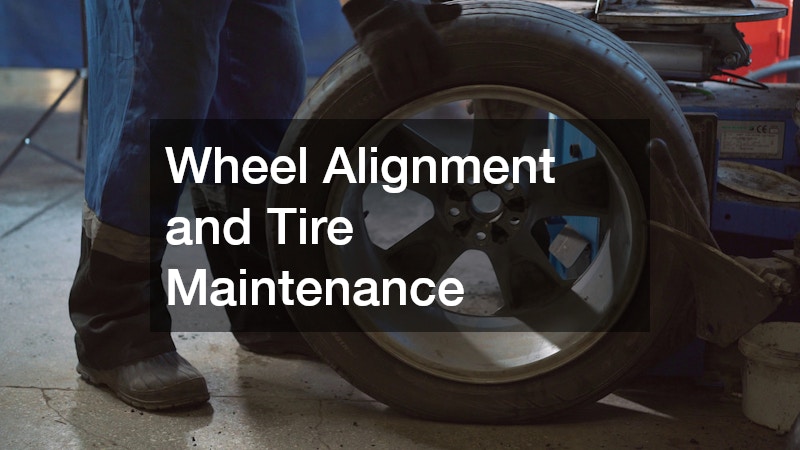
Signs You Need Alignment
-
Steering wheel vibration or pulling indicates misalignment.
-
Uneven tire wear can lead to premature replacement.
-
Misaligned wheels reduce fuel efficiency.
-
Poor handling during turns or braking increases accident risk.
Local Car Alignment Shops
-
Certified specialists in local car alignment shops use precise calibration tools for accurate adjustments.
-
Discuss alignment frequency based on mileage and driving conditions.
-
Regular alignment prolongs tire life and improves fuel economy.
-
Maintain service records for future reference and resale value.
Tire Selection and Sales
-
Choose tires suitable for climate, terrain, and driving habits.
-
Consider tread patterns, speed ratings, and load capacity.
-
Rotate and balance tires regularly to prevent uneven wear.
-
Purchase from reputable outlets offering warranties and professional installation.
Preventative Tips
-
Avoid potholes, curbs, and rough roads to reduce tire and suspension damage.
-
Check tire pressure monthly and before long trips.
-
Inspect for cracks, bulges, or embedded debris.
-
Replace tires before the tread is dangerously worn.
Transmission Care and Rebuilds
Recognizing Transmission Issues
-
Pay attention to delayed shifting, slipping gears, or unusual noises, which are often the first signs of problems.
-
Transmission fluid leaks or low levels can lead to severe damage if ignored.
-
A burnt smell from fluid may indicate overheating or internal component failure.
-
Regularly monitoring transmission performance can prevent costly breakdowns.
Professional Transmission Rebuild
-
A transmission rebuild restores system performance and extend vehicle lifespan.
-
This complex service requires specialized tools, training, and expertise.
-
Rebuilt transmissions often come with warranties, providing extra peace of mind.
-
Work should be documented thoroughly with post-service maintenance recommendations.
Preventative Practices
-
Avoid aggressive driving that puts unnecessary strain on the transmission.
-
Change transmission fluid according to the manufacturer’s schedule.
-
Inspect seals and gaskets regularly for wear to prevent leaks.
-
Using high-quality fluids and filters ensures consistent performance.
Emergency Considerations
-
Learn the warning signs of imminent failure to avoid total breakdown.
-
Have a towing plan ready in case the car becomes unsafe to drive.
-
Never ignore warning lights or unusual transmission behavior.
-
Maintaining detailed service records helps with future repairs or resale.
Auto Body Care
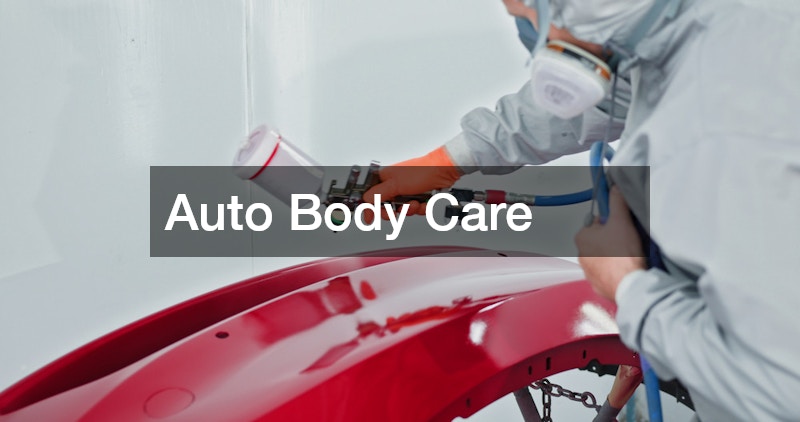
Understanding Body Damage
-
Dents, scratches, and rust affect both appearance and structural integrity.
-
Minor damage can worsen if left untreated, leading to more expensive repairs.
-
Environmental factors like sun, moisture, and salt accelerate paint deterioration.
-
Prompt attention keeps your vehicle looking new and retains resale value.
Auto Body Service
-
Professional auto body service shops can repair dents, replace panels, and repaint vehicles.
-
Certified technicians ensure the correct alignment of frames and panels.
-
Ask about warranties for bodywork and paint jobs.
-
Ensure the shop has experience with your car’s make and model.
Detailing for Protection
-
Auto detailers provide interior and exterior cleaning, polishing, and protective coatings.
-
Waxing or ceramic coating preserves paint from UV damage and environmental contaminants.
-
Detailing reduces oxidation, fading, and buildup that can harm surfaces.
-
Interior detailing keeps carpets, upholstery, and dashboards clean and maintains cabin comfort.
Insurance and Cost Considerations
-
Document damage carefully for accurate insurance claims.
-
Compare estimates from multiple providers to find the best value.
-
Ask about bundled services including painting, dent repair, and detailing.
-
Preventative care reduces long-term repair costs and protects your investment.
Vehicle Inspections
Importance of Regular Checks
-
Vehicle inspections ensure safety, compliance with regulations, and long-term reliability.
-
Early detection of mechanical or structural issues prevents costly repairs.
-
Many states require emissions and safety inspections to maintain legal operation.
-
Documented inspections can improve resale value and insurance options.
DIY vs. Professional Inspections
-
Visual checks at home include tires, lights, brakes, and fluid levels.
-
Professional inspections cover mechanical, electrical, and structural systems in detail.
-
Certified mechanics provide thorough reports with recommendations.
-
Schedule inspections annually or biannually depending on your car’s age and mileage.
Preparing for Inspections
-
Keep all service records and repair receipts organized.
-
Ensure tires, brakes, and lights are in optimal condition before inspections.
-
Clean the vehicle for easier assessment of exterior and interior components.
-
Address minor issues beforehand to reduce the chance of failing the inspection.
Following Up
-
Implement recommended repairs promptly to maintain safety and performance.
-
Maintain a checklist of recurring inspection items for ongoing monitoring.
-
Track patterns to identify early signs of long-term issues.
-
Regular communication with your service provider ensures proper maintenance planning.
Specialty Services for Foreign Vehicles
Unique Needs of Imported Cars
-
Imported vehicles often have components that differ from domestic models.
-
Electrical systems, sensors, and engine components may require specialized care.
-
Fluids, service intervals, and parts may differ significantly.
-
Preventative care avoids expensive emergency repairs.
Finding a Trusted Shop
-
Look for certified technicians with experience servicing your vehicle’s brand.
-
Ask for customer reviews and references to ensure reliability.
-
Verify access to OEM parts and advanced diagnostic tools.
-
Confirm warranties for both parts and labor.
Common Services
-
Transmission rebuilds, engine diagnostics, and electrical system repairs are common.
-
Specialty shops can address complex systems like turbochargers and hybrid engines.
-
Routine maintenance like fluid changes and inspections is critical to avoid failure.
-
Scheduling regular service appointments reduces the likelihood of sudden breakdowns.
Cost and Planning
-
Imported vehicle services may be more expensive due to parts availability.
-
Plan repairs and maintenance in advance to minimize downtime.
-
Keep thorough documentation of services for resale or warranty purposes.
-
Comparing multiple providers helps find quality care at reasonable costs.
Tire Care and Seasonal Preparation
Seasonal Tire Considerations
-
Winter tires improve traction on ice, snow, and wet surfaces.
-
Summer and all-season tires provide better performance in warmer months.
-
Store off-season tires in a cool, dry environment to prevent degradation.
-
Rotate tires seasonally to maintain even tread wear.
Tire Maintenance
-
Check tire pressure monthly and before long trips.
-
Inspect tread depth and look for cracks, bulges, or embedded debris.
-
Balance and align wheels to improve handling, fuel efficiency, and tire lifespan.
-
Address unusual vibrations or pulling immediately.
Tire Sales and Upgrades
-
When thinking about tires sales, buy from reputable outlets offering warranties and professional installation.
-
Consider performance or high-mileage tires based on your driving habits.
-
Evaluate tread life, climate suitability, and price before purchase.
-
Professional installation ensures safety and proper fit.
Emergency Preparedness
-
Keep a spare tire, jack, and lug wrench in the vehicle.
-
Know how to safely change a tire or call roadside assistance if needed.
-
Inspect tires after long trips or rough terrain.
-
Regular tire care prevents blowouts, improves safety, and ensures consistent handling.
Maintaining and repairing your vehicle is an ongoing commitment that rewards careful attention and proactive care. By following routine maintenance schedules, sourcing quality parts, addressing repairs promptly, and utilizing professional services when necessary, car owners can protect their investment and enjoy safer, more reliable driving. Paying attention to specialty needs, seasonal tire care, and vehicle inspections ensures optimal performance year-round. A well-maintained vehicle not only saves money in the long run but also enhances your driving experience, providing peace of mind on every journey. By investing time and effort into proper care, you can enjoy a vehicle that performs at its best for years to come.
Taking a proactive approach means being aware of early warning signs, such as unusual noises, vibrations, or warning lights, and addressing them promptly. It also means investing in preventative measures, like proper tire care, seasonal maintenance, and professional inspections, which can reduce wear and tear while ensuring that your vehicle remains safe in all driving conditions. Even small habits—like rotating tires, monitoring tire pressure, or keeping your engine and filters clean—can have a significant long-term impact on reliability and performance.