Introduction
Managing multiple vehicles—or even just one—can quickly become complicated when you’re juggling purchasing decisions, maintenance, upgrades, storage, and daily use. Vehicle ownership has evolved from simply buying a car or RV to navigating a complex ecosystem of products, services, and specialized care. Today’s drivers and travelers want more than just a place to purchase vehicles; they want a centralized hub where they can handle everything efficiently.
One-stop shops offer a convenient solution, providing multiple services under a single roof. This approach saves time, reduces stress, and often lowers costs, giving vehicle owners the freedom to focus on enjoying their rides rather than worrying about logistics. Whether you are a road trip enthusiast, a daily commuter, or someone who enjoys weekend adventures, having all your vehicle-related needs met in one location simplifies your life and enhances your overall experience.
Beyond mere convenience, integrated service centers also provide a sense of security and reliability. Instead of juggling different providers and coordinating schedules for maintenance, upgrades, and storage, a single trusted location ensures that your vehicles are cared for consistently and professionally. For example, routine maintenance, inspections, or custom upgrades can be scheduled alongside other services, which helps prevent gaps in care that can lead to wear, damage, or unexpected breakdowns.
Additionally, one-stop facilities often bring a wealth of expertise. Knowledgeable staff can advise on the best options for your unique situation, from practical storage solutions to optimal performance modifications. This guidance is particularly valuable for new vehicle owners or anyone navigating more complex vehicles such as recreational vehicles or electric vehicles. It allows you to make informed decisions and avoid costly mistakes that can result from relying solely on trial-and-error or fragmented advice.
Finally, a comprehensive approach to vehicle ownership is about more than just maintenance or convenience—it’s about maximizing enjoyment. By reducing the stress and hassle associated with ownership, you free yourself to focus on the experiences that brought you to vehicles in the first place: road trips, adventures, hobbies, and everyday transportation that fits your lifestyle seamlessly. Whether it’s a spontaneous weekend getaway or long-term travel plans, having all your vehicle needs handled under one roof creates the freedom to truly enjoy the journey without worrying about the details.
This guide provides actionable advice for choosing the right vehicle, optimizing efficiency, upgrading performance, maintaining your vehicle, and keeping it safe and operational for years to come. By following these insights, you can create a vehicle ownership experience that is not only efficient and cost-effective but also enjoyable and stress-free.
How to Choose the Right RV or Trailer for Your Lifestyle and Budget
Selecting the right vehicle is critical when browsing options in a recreational vehicle sale or shopping for trailers for sale. The wrong choice can result in high costs, stress, and limitations on your adventures, while the right one can enhance convenience, comfort, and enjoyment.
Determine Your Primary Use
Your intended use will dictate nearly every feature you need. Ask yourself:
- Will you be traveling occasionally or living full-time in your RV?
- How many people will be traveling with you?
- Do you want the flexibility to detach your vehicle or prefer a fully integrated motorhome?
Motorhomes vs. Towable Trailers
Understanding the difference between motorhomes and trailers is key:
- Motorhomes: Include driving capabilities and living space combined. Ideal for convenience and mobility but require more skill to drive and park.
- Towable trailers: Offer the flexibility of detaching the trailer and using your main vehicle independently. Generally more affordable and fuel-efficient but require a capable tow vehicle.
Key Features to Consider
Evaluate features that directly impact comfort, usability, and long-term value:
- Sleeping arrangements and layout
- Kitchen amenities (fridge, stove, microwave)
- Bathroom and shower facilities
- Storage options and accessible compartments
- Climate control and insulation for year-round use
- Tank capacity for fresh water, gray water, and black water
Budget Beyond Purchase Price
Many buyers underestimate the cost of ownership. Consider:
- Insurance and registration
- Fuel consumption, especially for larger motorhomes
- Maintenance and repair costs
- Campsite or storage fees
- Optional upgrades such as solar panels, awnings, or upgraded electronics
Tips for Smart Purchases
- Inspect for leaks or water damage in used units
- Test all appliances and onboard systems
- Research manufacturer reliability and customer reviews
- Compare multiple sellers to ensure fair pricing
- Take time to negotiate and don’t rush—patience often yields better deals
New vs. Used Considerations
- New units: Offer warranties and modern features but depreciate quickly
- Used units: Can be affordable but require thorough inspection for wear and potential hidden damage
By carefully evaluating your needs and budget, you ensure your purchase aligns with your lifestyle and avoids costly mistakes.
Smart Strategies for Efficient Charging and Long-Term Vehicle Storage
For electric vehicle owners, understanding ev charges and selecting proper storage facilities is crucial. Proper charging practices extend battery life, while good storage facilities prevent environmental and mechanical damage.
Charging Options
- Level 1 charging: Standard household outlet, slow but convenient for overnight top-ups
- Level 2 charging: Faster home or public chargers, ideal for daily commuting
- DC Fast Charging: Rapid charging for long trips or emergency situations
Tips to Optimize Charging
- Charge during off-peak hours to reduce electricity costs
- Avoid charging to 100% routinely; 20–80% is optimal for battery health
- Keep battery software updated for improved charging efficiency
- Plan long trips around charging stations to reduce downtime
Home vs. Public Charging
- Home charging is convenient and economical over time
- Public charging is necessary for travel but may incur higher costs and require planning
Choosing the Right Storage Facilities
Storage facilities protect your vehicles and ensure long-term usability. Consider:
- Security: gated access, surveillance cameras, and on-site staff
- Climate control: essential for electric vehicles and sensitive mechanical systems
- Accessibility: easy access for frequent or emergency use
- Space size: allow room for your vehicle and any attached trailers or accessories
Preparing a Vehicle for Storage
Before storing your vehicle:
- Thoroughly clean inside and out to prevent mold and corrosion
- Disconnect or maintain the battery to prevent drain
- Inflate tires to the recommended levels
- Cover vehicles stored outdoors
- Use fuel stabilizers for gas-powered units
Long-Term Storage Practices
- Start the vehicle periodically to circulate fluids
- Inspect tires for flat spots and maintain proper pressure
- Protect against pests and moisture
- Regularly check security measures
Efficient charging and proper storage ensure your vehicles remain functional, reliable, and safe, ready for immediate use.
Customizing and Upgrading Your Vehicle for Performance and Convenience
Customizing your vehicle enhances usability, appearance, and functionality. Offroad vehicle customizing and accessories like truck bed covers can dramatically improve performance, especially for those who use their vehicles for work or recreational activities.
Define Goals Before Upgrades
Consider your objectives:
- Enhanced off-road capability
- Increased cargo protection and organization
- Improved aesthetics
- Enhanced safety and longevity
Popular Off-Road Upgrades
- Lift kits for higher ground clearance
- All-terrain or mud tires
- Upgraded suspension systems
- Skid plates for underbody protection
- LED light bars for visibility and style
Utility Enhancements
Truck bed covers provide practical benefits:
- Shield cargo from weather and theft
- Improve aerodynamics and fuel efficiency
- Enable modular storage systems and racks for tools or recreational equipment
Balancing Customization and Practicality
Avoid over-customizing at the expense of usability:
- Will this upgrade improve your daily use or adventures?
- Does it affect fuel efficiency or vehicle warranty?
- Are the upgrades durable and safe?
Professional vs. DIY Installation
- DIY can save money but requires expertise, tools, and attention to safety
- Professional installation ensures proper fit, functionality, and warranty coverage
Maintaining Warranty and Resale Value
- Verify whether upgrades void warranties
- Keep original parts for resale or potential reversal
- Document all modifications to increase resale appeal
Customizations should enhance your experience, combining function, safety, and style while protecting your investment.
Keeping Your Vehicle Clean, Functional, and Ready for the Road
A clean and well-maintained vehicle not only looks good but also functions efficiently and retains value. Professional truck washes and regular maintenance of car parts are crucial for longevity.
Why Regular Cleaning Matters
- Prevents corrosion and rust
- Protects paint and exterior surfaces
- Improves visibility and safety
- Maintains resale value
Choosing the Right Cleaning Approach
- Automated washes for convenience and speed
- Hand washing for detailed attention
- Specialized washes for larger vehicles or RVs
What to Look for in a Quality Wash Service
- Proper equipment for vehicle size
- Eco-friendly detergents
- Focus on hard-to-reach areas and undercarriage cleaning
Seasonal Cleaning Tips
- Winter: remove road salt frequently to prevent rust
- Summer: apply protective wax or coating to prevent sun damage
- Fall: clear leaves, debris, and dirt from vents, drains, and gutters
Managing Replacement Components
Over time, car parts wear out and must be replaced to maintain safety and performance. Monitor:
- Brake pads and rotors
- Air, oil, and cabin filters
- Belts and hoses
- Battery and electrical components
When to Replace vs. Repair
- Repair small issues early to prevent larger, costlier problems
- Replace worn parts promptly to maintain efficiency and safety
Sourcing Quality Parts
- Choose OEM or trusted aftermarket brands
- Verify compatibility with your vehicle
- Consider warranties and return policies
A disciplined approach to cleaning and parts maintenance keeps your vehicles operational, safe, and visually appealing.
Essential Maintenance Tips to Avoid Breakdowns and Costly Repairs
Routine maintenance is essential for safety and long-term cost savings. Tire service and timely windshield repair prevent minor issues from escalating.
Tire Maintenance Basics
- Check tire pressure monthly and before long trips
- Rotate tires every 5,000–7,000 miles to extend lifespan
- Maintain proper alignment
- Inspect for uneven wear and tread depth
Warning Signs of Tire Issues
- Vibrations while driving
- Reduced traction or poor handling
- Visible cracks, bulges, or punctures
When to Replace Tires
- Tread depth below recommended levels
- Frequent air pressure loss
- Age-related deterioration
Windshield Care and Repair
- Small chips and cracks can spread quickly
- Repair minor damage promptly to avoid full replacement
- Use high-quality materials and professional services for repairs
Preventative Measures
- Maintain safe following distances to avoid debris damage
- Avoid sudden temperature changes that stress glass
- Park in shaded or protected areas to minimize exposure
Building a Maintenance Routine
- Schedule regular inspections
- Keep detailed maintenance logs
- Address issues early to avoid costly repairs
Prioritizing tire service and windshield repair increases safety, reduces risks, and protects your investment.
How to Choose a Reliable One-Stop Service Provider
Finding a dependable service provider simplifies ownership and enhances convenience. The right provider offers multiple services, saving time and providing consistent quality.
Key Qualities to Look For
- Comprehensive services offered on-site
- Certified and experienced technicians
- Transparent pricing and warranties
- Positive customer feedback and testimonials
Benefits of Bundled Services
- Reduced scheduling conflicts
- Potential cost savings through package deals
- Consistent quality across services
- Improved support during emergencies
Questions to Ask Providers
- Which services are available in-house?
- Are warranties or guarantees provided?
- How are emergencies or unexpected issues handled?
- What is the average turnaround time for maintenance or repair?
Comparing Providers
- Evaluate pricing and service packages
- Check accessibility and convenience of location
- Consider long-term relationship potential and loyalty benefits
Building a Long-Term Relationship
- Stick with a trusted provider for consistent quality
- Schedule regular visits for maintenance and inspections
- Take advantage of loyalty programs, discounts, or bundled services
A reliable one-stop service provider becomes a true partner in vehicle ownership, allowing you to enjoy your rides with confidence.
Conclusion
Bringing all your vehicle-related needs under one roof is more than a convenience—it’s a strategic approach to vehicle ownership that improves efficiency, safety, and long-term value. Managing everything from routine maintenance and repairs to storage, upgrades, and inspections at a single trusted location ensures that your vehicles receive consistent, high-quality care. This not only extends the lifespan of your vehicles but also enhances performance, reliability, and overall satisfaction.
A proactive approach to vehicle care, which includes regular inspections, preventive maintenance, and timely repairs, significantly reduces the risk of unexpected breakdowns and costly replacements. By taking these steps and working with a provider capable of addressing multiple needs simultaneously, vehicle owners can save time, money, and stress. Comprehensive care also allows for better planning and decision-making. Whether it’s preparing for a long trip, customizing a vehicle for specific needs, or storing it safely, having a centralized system ensures that every detail is addressed efficiently.
Moreover, integrated service centers offer more than just technical services—they provide guidance, support, and expertise that help owners make informed choices. This level of support can be invaluable, especially for individuals managing multiple vehicles or navigating the complexities of specialized vehicles. Staff can provide advice on preventive measures, suggest upgrades that improve functionality and safety, and recommend the best storage or maintenance practices tailored to your vehicle type.
Ultimately, a one-stop approach to vehicle management is about enhancing your ownership experience. By removing the stress of coordinating multiple providers and ensuring all services are aligned and professional, you can focus on what truly matters: enjoying your vehicle to its fullest potential. Road trips, daily commuting, or weekend adventures become simpler, safer, and more enjoyable.
In the end, choosing a comprehensive service provider and adopting proactive practices ensures that your vehicles remain reliable, efficient, and ready for any journey. A well-maintained, properly equipped, and safely stored vehicle is not just a convenience—it is a foundation for freedom, flexibility, and peace of mind. Investing in a structured, all-inclusive approach allows you to maximize both the value and the enjoyment of your vehicle, giving you confidence and control over every aspect of your ownership experience.
Introduction
Managing multiple vehicles—or even just one—can quickly become complicated when you’re juggling purchasing decisions, maintenance, upgrades, storage, and daily use. Vehicle ownership has evolved from simply buying a car or RV to navigating a complex ecosystem of products, services, and specialized care. Today’s drivers and travelers want more than just a place to purchase vehicles; they want a centralized hub where they can handle everything efficiently.
One-stop shops offer a convenient solution, providing multiple services under a single roof. This approach saves time, reduces stress, and often lowers costs, giving vehicle owners the freedom to focus on enjoying their rides rather than worrying about logistics. Whether you are a road trip enthusiast, a daily commuter, or someone who enjoys weekend adventures, having all your vehicle-related needs met in one location simplifies your life and enhances your overall experience.
Beyond mere convenience, integrated service centers also provide a sense of security and reliability. Instead of juggling different providers and coordinating schedules for maintenance, upgrades, and storage, a single trusted location ensures that your vehicles are cared for consistently and professionally. For example, routine maintenance, inspections, or custom upgrades can be scheduled alongside other services, which helps prevent gaps in care that can lead to wear, damage, or unexpected breakdowns.
Additionally, one-stop facilities often bring a wealth of expertise. Knowledgeable staff can advise on the best options for your unique situation, from practical storage solutions to optimal performance modifications. This guidance is particularly valuable for new vehicle owners or anyone navigating more complex vehicles such as recreational vehicles or electric vehicles. It allows you to make informed decisions and avoid costly mistakes that can result from relying solely on trial-and-error or fragmented advice.
Finally, a comprehensive approach to vehicle ownership is about more than just maintenance or convenience—it’s about maximizing enjoyment. By reducing the stress and hassle associated with ownership, you free yourself to focus on the experiences that brought you to vehicles in the first place: road trips, adventures, hobbies, and everyday transportation that fits your lifestyle seamlessly. Whether it’s a spontaneous weekend getaway or long-term travel plans, having all your vehicle needs handled under one roof creates the freedom to truly enjoy the journey without worrying about the details.
This guide provides actionable advice for choosing the right vehicle, optimizing efficiency, upgrading performance, maintaining your vehicle, and keeping it safe and operational for years to come. By following these insights, you can create a vehicle ownership experience that is not only efficient and cost-effective but also enjoyable and stress-free.
How to Choose the Right RV or Trailer for Your Lifestyle and Budget

Selecting the right vehicle is critical when browsing options in a recreational vehicle sale or shopping for trailers for sale. The wrong choice can result in high costs, stress, and limitations on your adventures, while the right one can enhance convenience, comfort, and enjoyment.
Determine Your Primary Use
Your intended use will dictate nearly every feature you need. Ask yourself:
- Will you be traveling occasionally or living full-time in your RV?
- How many people will be traveling with you?
- Do you want the flexibility to detach your vehicle or prefer a fully integrated motorhome?
Motorhomes vs. Towable Trailers
Understanding the difference between motorhomes and trailers is key:
- Motorhomes: Include driving capabilities and living space combined. Ideal for convenience and mobility but require more skill to drive and park.
- Towable trailers: Offer the flexibility of detaching the trailer and using your main vehicle independently. Generally more affordable and fuel-efficient but require a capable tow vehicle.
Key Features to Consider
Evaluate features that directly impact comfort, usability, and long-term value:
- Sleeping arrangements and layout
- Kitchen amenities (fridge, stove, microwave)
- Bathroom and shower facilities
- Storage options and accessible compartments
- Climate control and insulation for year-round use
- Tank capacity for fresh water, gray water, and black water
Budget Beyond Purchase Price
Many buyers underestimate the cost of ownership. Consider:
- Insurance and registration
- Fuel consumption, especially for larger motorhomes
- Maintenance and repair costs
- Campsite or storage fees
- Optional upgrades such as solar panels, awnings, or upgraded electronics
Tips for Smart Purchases
- Inspect for leaks or water damage in used units
- Test all appliances and onboard systems
- Research manufacturer reliability and customer reviews
- Compare multiple sellers to ensure fair pricing
- Take time to negotiate and don’t rush—patience often yields better deals
New vs. Used Considerations
- New units: Offer warranties and modern features but depreciate quickly
- Used units: Can be affordable but require thorough inspection for wear and potential hidden damage
By carefully evaluating your needs and budget, you ensure your purchase aligns with your lifestyle and avoids costly mistakes.
Smart Strategies for Efficient Charging and Long-Term Vehicle Storage
For electric vehicle owners, understanding ev charges and selecting proper storage facilities is crucial. Proper charging practices extend battery life, while good storage facilities prevent environmental and mechanical damage.
Charging Options
- Level 1 charging: Standard household outlet, slow but convenient for overnight top-ups
- Level 2 charging: Faster home or public chargers, ideal for daily commuting
- DC Fast Charging: Rapid charging for long trips or emergency situations
Tips to Optimize Charging
- Charge during off-peak hours to reduce electricity costs
- Avoid charging to 100% routinely; 20–80% is optimal for battery health
- Keep battery software updated for improved charging efficiency
- Plan long trips around charging stations to reduce downtime
Home vs. Public Charging
- Home charging is convenient and economical over time
- Public charging is necessary for travel but may incur higher costs and require planning
Choosing the Right Storage Facilities
Storage facilities protect your vehicles and ensure long-term usability. Consider:
- Security: gated access, surveillance cameras, and on-site staff
- Climate control: essential for electric vehicles and sensitive mechanical systems
- Accessibility: easy access for frequent or emergency use
- Space size: allow room for your vehicle and any attached trailers or accessories
Preparing a Vehicle for Storage
Before storing your vehicle:
- Thoroughly clean inside and out to prevent mold and corrosion
- Disconnect or maintain the battery to prevent drain
- Inflate tires to the recommended levels
- Cover vehicles stored outdoors
- Use fuel stabilizers for gas-powered units
Long-Term Storage Practices
- Start the vehicle periodically to circulate fluids
- Inspect tires for flat spots and maintain proper pressure
- Protect against pests and moisture
- Regularly check security measures
Efficient charging and proper storage ensure your vehicles remain functional, reliable, and safe, ready for immediate use.
Customizing and Upgrading Your Vehicle for Performance and Convenience
Customizing your vehicle enhances usability, appearance, and functionality. Offroad vehicle customizing and accessories like truck bed covers can dramatically improve performance, especially for those who use their vehicles for work or recreational activities.
Define Goals Before Upgrades
Consider your objectives:
- Enhanced off-road capability
- Increased cargo protection and organization
- Improved aesthetics
- Enhanced safety and longevity
Popular Off-Road Upgrades
- Lift kits for higher ground clearance
- All-terrain or mud tires
- Upgraded suspension systems
- Skid plates for underbody protection
- LED light bars for visibility and style
Utility Enhancements
Truck bed covers provide practical benefits:
- Shield cargo from weather and theft
- Improve aerodynamics and fuel efficiency
- Enable modular storage systems and racks for tools or recreational equipment
Balancing Customization and Practicality
Avoid over-customizing at the expense of usability:
- Will this upgrade improve your daily use or adventures?
- Does it affect fuel efficiency or vehicle warranty?
- Are the upgrades durable and safe?
Professional vs. DIY Installation
- DIY can save money but requires expertise, tools, and attention to safety
- Professional installation ensures proper fit, functionality, and warranty coverage
Maintaining Warranty and Resale Value
- Verify whether upgrades void warranties
- Keep original parts for resale or potential reversal
- Document all modifications to increase resale appeal
Customizations should enhance your experience, combining function, safety, and style while protecting your investment.
Keeping Your Vehicle Clean, Functional, and Ready for the Road
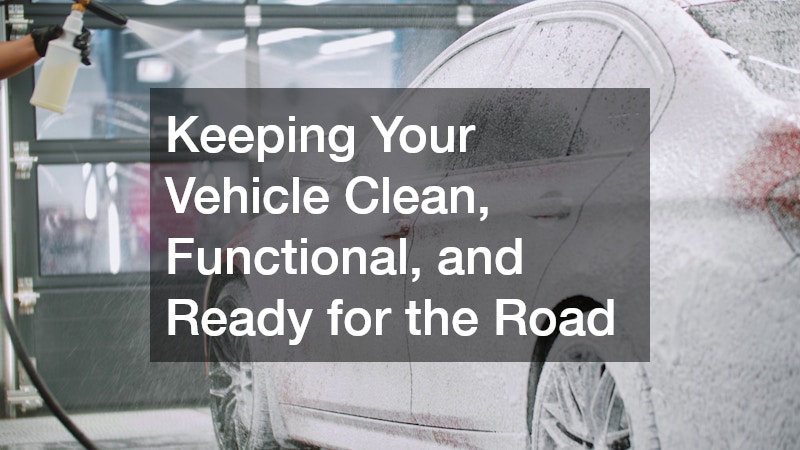
A clean and well-maintained vehicle not only looks good but also functions efficiently and retains value. Professional truck washes and regular maintenance of car parts are crucial for longevity.
Why Regular Cleaning Matters
- Prevents corrosion and rust
- Protects paint and exterior surfaces
- Improves visibility and safety
- Maintains resale value
Choosing the Right Cleaning Approach
- Automated washes for convenience and speed
- Hand washing for detailed attention
- Specialized washes for larger vehicles or RVs
What to Look for in a Quality Wash Service
- Proper equipment for vehicle size
- Eco-friendly detergents
- Focus on hard-to-reach areas and undercarriage cleaning
Seasonal Cleaning Tips
- Winter: remove road salt frequently to prevent rust
- Summer: apply protective wax or coating to prevent sun damage
- Fall: clear leaves, debris, and dirt from vents, drains, and gutters
Managing Replacement Components
Over time, car parts wear out and must be replaced to maintain safety and performance. Monitor:
- Brake pads and rotors
- Air, oil, and cabin filters
- Belts and hoses
- Battery and electrical components
When to Replace vs. Repair
- Repair small issues early to prevent larger, costlier problems
- Replace worn parts promptly to maintain efficiency and safety
Sourcing Quality Parts
- Choose OEM or trusted aftermarket brands
- Verify compatibility with your vehicle
- Consider warranties and return policies
A disciplined approach to cleaning and parts maintenance keeps your vehicles operational, safe, and visually appealing.
Essential Maintenance Tips to Avoid Breakdowns and Costly Repairs
Routine maintenance is essential for safety and long-term cost savings. Tire service and timely windshield repair prevent minor issues from escalating.
Tire Maintenance Basics
- Check tire pressure monthly and before long trips
- Rotate tires every 5,000–7,000 miles to extend lifespan
- Maintain proper alignment
- Inspect for uneven wear and tread depth
Warning Signs of Tire Issues
- Vibrations while driving
- Reduced traction or poor handling
- Visible cracks, bulges, or punctures
When to Replace Tires
- Tread depth below recommended levels
- Frequent air pressure loss
- Age-related deterioration
Windshield Care and Repair
- Small chips and cracks can spread quickly
- Repair minor damage promptly to avoid full replacement
- Use high-quality materials and professional services for repairs
Preventative Measures
- Maintain safe following distances to avoid debris damage
- Avoid sudden temperature changes that stress glass
- Park in shaded or protected areas to minimize exposure
Building a Maintenance Routine
- Schedule regular inspections
- Keep detailed maintenance logs
- Address issues early to avoid costly repairs
Prioritizing tire service and windshield repair increases safety, reduces risks, and protects your investment.
How to Choose a Reliable One-Stop Service Provider
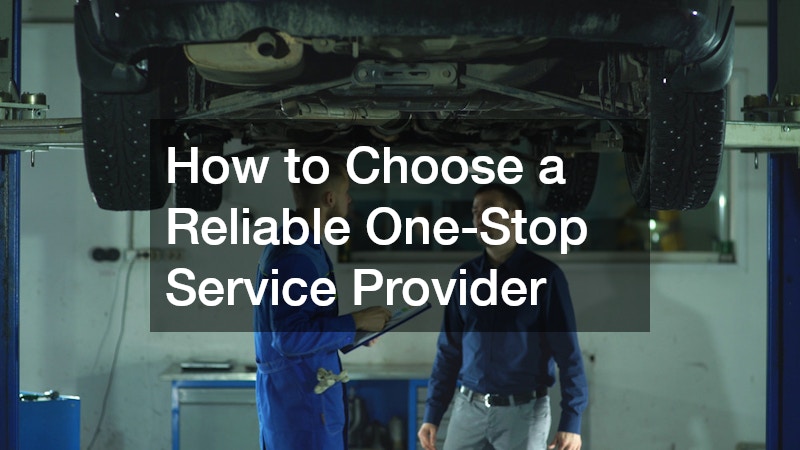
Finding a dependable service provider simplifies ownership and enhances convenience. The right provider offers multiple services, saving time and providing consistent quality.
Key Qualities to Look For
- Comprehensive services offered on-site
- Certified and experienced technicians
- Transparent pricing and warranties
- Positive customer feedback and testimonials
Benefits of Bundled Services
- Reduced scheduling conflicts
- Potential cost savings through package deals
- Consistent quality across services
- Improved support during emergencies
Questions to Ask Providers
- Which services are available in-house?
- Are warranties or guarantees provided?
- How are emergencies or unexpected issues handled?
- What is the average turnaround time for maintenance or repair?
Comparing Providers
- Evaluate pricing and service packages
- Check accessibility and convenience of location
- Consider long-term relationship potential and loyalty benefits
Building a Long-Term Relationship
- Stick with a trusted provider for consistent quality
- Schedule regular visits for maintenance and inspections
- Take advantage of loyalty programs, discounts, or bundled services
A reliable one-stop service provider becomes a true partner in vehicle ownership, allowing you to enjoy your rides with confidence.
Conclusion
Bringing all your vehicle-related needs under one roof is more than a convenience—it’s a strategic approach to vehicle ownership that improves efficiency, safety, and long-term value. Managing everything from routine maintenance and repairs to storage, upgrades, and inspections at a single trusted location ensures that your vehicles receive consistent, high-quality care. This not only extends the lifespan of your vehicles but also enhances performance, reliability, and overall satisfaction.
A proactive approach to vehicle care, which includes regular inspections, preventive maintenance, and timely repairs, significantly reduces the risk of unexpected breakdowns and costly replacements. By taking these steps and working with a provider capable of addressing multiple needs simultaneously, vehicle owners can save time, money, and stress. Comprehensive care also allows for better planning and decision-making. Whether it’s preparing for a long trip, customizing a vehicle for specific needs, or storing it safely, having a centralized system ensures that every detail is addressed efficiently.
Moreover, integrated service centers offer more than just technical services—they provide guidance, support, and expertise that help owners make informed choices. This level of support can be invaluable, especially for individuals managing multiple vehicles or navigating the complexities of specialized vehicles. Staff can provide advice on preventive measures, suggest upgrades that improve functionality and safety, and recommend the best storage or maintenance practices tailored to your vehicle type.
Ultimately, a one-stop approach to vehicle management is about enhancing your ownership experience. By removing the stress of coordinating multiple providers and ensuring all services are aligned and professional, you can focus on what truly matters: enjoying your vehicle to its fullest potential. Road trips, daily commuting, or weekend adventures become simpler, safer, and more enjoyable.
In the end, choosing a comprehensive service provider and adopting proactive practices ensures that your vehicles remain reliable, efficient, and ready for any journey. A well-maintained, properly equipped, and safely stored vehicle is not just a convenience—it is a foundation for freedom, flexibility, and peace of mind. Investing in a structured, all-inclusive approach allows you to maximize both the value and the enjoyment of your vehicle, giving you confidence and control over every aspect of your ownership experience.