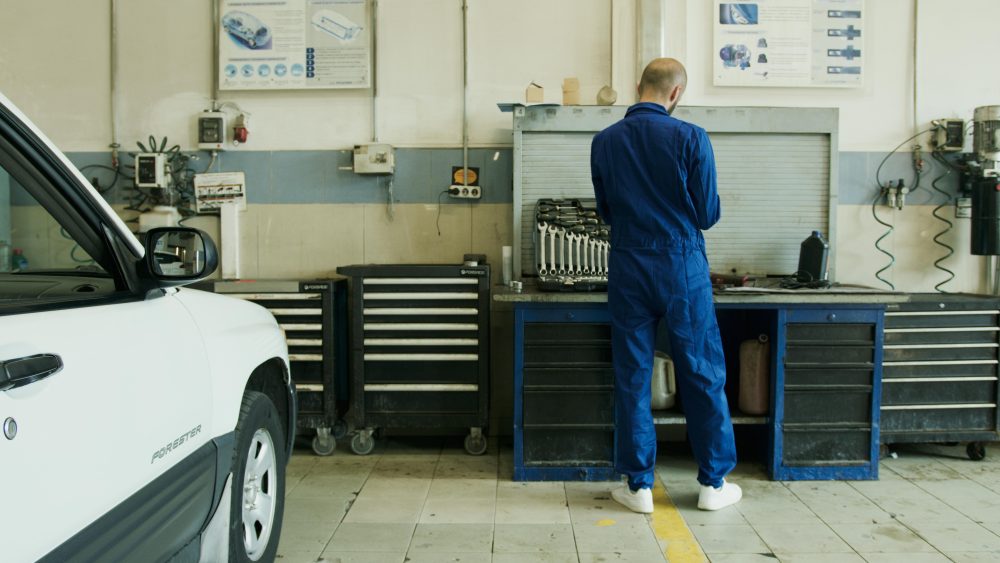
- Choose a shop with certified technicians, strong reviews, and a proven track record of honest service.
- Look for clear, upfront pricing and written estimates to avoid unexpected costs.
- Prioritize shops that offer a wide range of services so you can rely on one provider long-term.
- Pay attention to customer service, as good communication and professionalism often reflect quality work.
- Consider convenience factors like location, scheduling, and available support services.
- Watch for red flags such as vague answers, pressure tactics, or consistently negative feedback.
- Start with a small service to evaluate the shop before committing to major repairs.
Finding a reliable auto repair and maintenance shop is one of the most important decisions you’ll make as a car owner. Your vehicle is a major investment, and the quality of care it receives directly affects its performance, safety, and longevity. With so many options available—from small independent garages to large service centers—it can be overwhelming to determine which shop truly deserves your trust.
This guide will walk you through everything you need to know, from evaluating certifications and pricing to understanding customer service and long-term value. By the end, you’ll have a clear framework to confidently choose the right shop for your needs.
Why Choosing the Right Shop Matters More Than You Think
Selecting the right auto repair shop goes far beyond convenience. It plays a crucial role in protecting your vehicle and your finances over time. A trustworthy shop ensures that repairs are done correctly the first time, reducing the risk of repeat issues and costly breakdowns.
On the other hand, choosing the wrong provider can lead to misdiagnosed problems, unnecessary charges, or even unsafe repairs. Poor workmanship may not be immediately noticeable, but it can cause serious complications later, especially when it comes to critical systems like brakes or steering.
A reliable shop also helps you stay proactive. Instead of waiting for problems to escalate, skilled technicians can identify early warning signs and recommend preventive measures. This approach not only extends your vehicle’s lifespan but also gives you peace of mind every time you drive.
What Services Should a Good Auto Shop Offer?
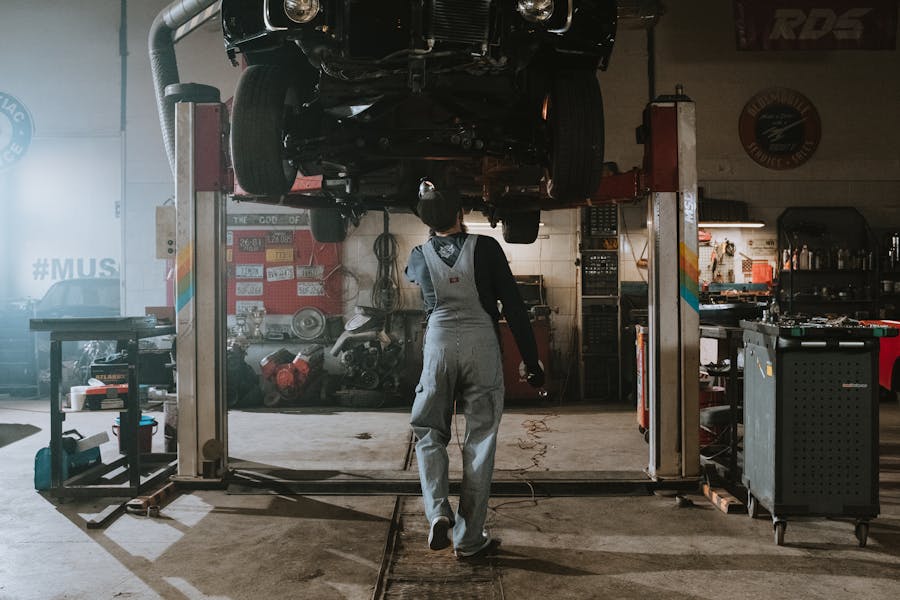
Not all repair shops provide the same range of services, so it’s important to evaluate whether a shop can meet both your current and future needs. A well-rounded auto repair and maintenance shop should offer comprehensive services that cover everything from basic upkeep to complex repairs.
Here are some essential services to look for:
- Routine maintenance (oil changes, filter replacements, tire rotations)
- Brake inspections and repairs
- Engine diagnostics and repairs
- Transmission services
- Electrical system troubleshooting
- Air conditioning and heating repairs
- Suspension and alignment services
Having access to a full-service shop simplifies your experience. Instead of visiting multiple providers for different issues, you can rely on one trusted location for consistent care.
Additionally, consider whether the shop can handle specialized situations such as repairs after an accident, which often require more advanced tools and expertise.
How Can You Tell If a Shop Is Trustworthy?
Trust is the foundation of any good relationship with a repair shop. While it may take time to build confidence, there are clear indicators that can help you assess a shop’s credibility from the start.
Look for Certifications and Credentials
Reputable shops often employ technicians who are certified by recognized industry organizations. Certifications indicate that the technicians have undergone training and adhere to professional standards.
You can also check if the shop is affiliated with local or national automotive associations, which often require members to meet specific quality benchmarks.
Check Reviews and Testimonials
Online reviews provide valuable insights into real customer experiences. Look for patterns in feedback rather than focusing on a single review. Consistent praise for honesty, transparency, and quality work is a good sign.
Pay attention to how the shop responds to negative reviews as well. A professional and respectful response shows accountability and a commitment to customer satisfaction.
Ask for Recommendations
Word-of-mouth referrals remain one of the most reliable ways to find a trustworthy shop. Friends, family members, or colleagues can share their experiences and point you toward dependable service providers.
What Questions Should You Ask Before Committing?
Before choosing a shop, take the time to ask a few important questions. This not only helps you gather information but also gives you a sense of how the staff communicates and treats customers.
Consider asking:
- What types of vehicles do you specialize in?
- Do you provide written estimates before starting work?
- Are your technicians certified?
- What warranties do you offer on parts and labor?
- How long will the repair take?
A reputable shop will answer these questions clearly and without hesitation. If you encounter vague responses or reluctance to provide details, it may be a red flag.
How Important Is Transparency in Pricing?
Transparency is one of the most critical factors when choosing an auto repair shop. Unexpected charges can quickly turn a routine visit into a stressful experience, so it’s essential to work with a shop that values honesty.
A good shop will:
- Provide detailed, written estimates
- Explain the cost of parts and labor
- Notify you before performing additional work
- Offer options when possible
Understanding the pricing structure allows you to make informed decisions about your vehicle. It also builds trust, as you’ll feel confident that you’re not being overcharged or misled.
Should You Choose a Dealership or an Independent Shop?
One common dilemma is whether to go with a dealership service center or an independent repair shop. Each option has its advantages, and the best choice depends on your priorities.
Dealership Service Centers
Dealerships often specialize in specific brands, which means their technicians are highly familiar with certain models. They also have access to manufacturer-approved parts and tools.
However, dealership services tend to be more expensive, and you may experience longer wait times.
Independent Repair Shops
Independent shops are usually more affordable and offer a more personalized experience. Many have skilled technicians capable of working on a wide range of vehicles.
These shops often build long-term relationships with customers, making them a great choice for ongoing maintenance and care.
How Does Customer Service Reflect Quality?
Customer service is a strong indicator of how a shop operates overall. From your first interaction, you should feel respected, informed, and valued as a customer.
Key signs of excellent customer service include:
- Friendly and approachable staff
- Clear communication about repairs
- Willingness to answer questions
- Timely updates on your vehicle’s status
- Clean and organized facilities
A shop that prioritizes customer experience is more likely to take pride in its work and maintain high standards.
Why Location and Convenience Still Matter
While quality should always come first, convenience is also an important factor. Choosing a shop that is easily accessible can save you time and reduce stress, especially during emergencies.
Consider the following:
- Proximity to your home or workplace
- Availability of shuttle services or loaner cars
- Flexible hours of operation
- Ease of scheduling appointments
A conveniently located shop makes it easier to stay consistent with maintenance and address issues promptly.
How Can You Evaluate a Shop’s Equipment and Technology?
Modern vehicles are equipped with advanced systems that require specialized tools and technology for accurate diagnosis and repair. A reputable shop should invest in up-to-date equipment to handle these complexities.
When visiting a shop, look for:
- Diagnostic tools for modern vehicles
- Clean and organized workspaces
- Well-maintained equipment
- Use of quality replacement parts
Shops that prioritize technology are better equipped to provide efficient and accurate service, reducing the likelihood of errors.
What Role Do Warranties and Guarantees Play?
Warranties are a sign that a shop stands behind its work. They provide reassurance that if something goes wrong after a repair, you won’t be left dealing with the issue on your own.
Look for shops that offer:
- Warranty coverage on parts and labor
- Clear terms and conditions
- Reasonable timeframes for claims
A strong warranty policy demonstrates confidence in the quality of service and a commitment to customer satisfaction.
How Do You Build a Long-Term Relationship With a Shop?
Choosing the right shop isn’t just about solving immediate problems—it’s about establishing a long-term partnership. Consistency allows technicians to become familiar with your vehicle’s history, leading to more accurate diagnostics and better care.
Here’s how to build a strong relationship:
- Schedule regular maintenance visits
- Keep records of repairs and services
- Communicate openly about concerns
- Follow recommended service intervals
Over time, this relationship can make maintaining your vehicle more efficient and less stressful.
What Are the Warning Signs You Should Avoid?
Not all shops operate with the same level of integrity. Being aware of red flags can help you avoid poor service and unnecessary expenses.
Watch out for:
- Lack of clear pricing or estimates
- Pressure to approve unnecessary repairs
- Poor communication or rude staff
- Negative patterns in customer reviews
- Unclean or disorganized facilities
If something feels off, trust your instincts and consider exploring other options.
How Does Preventive Care Influence Your Choice?
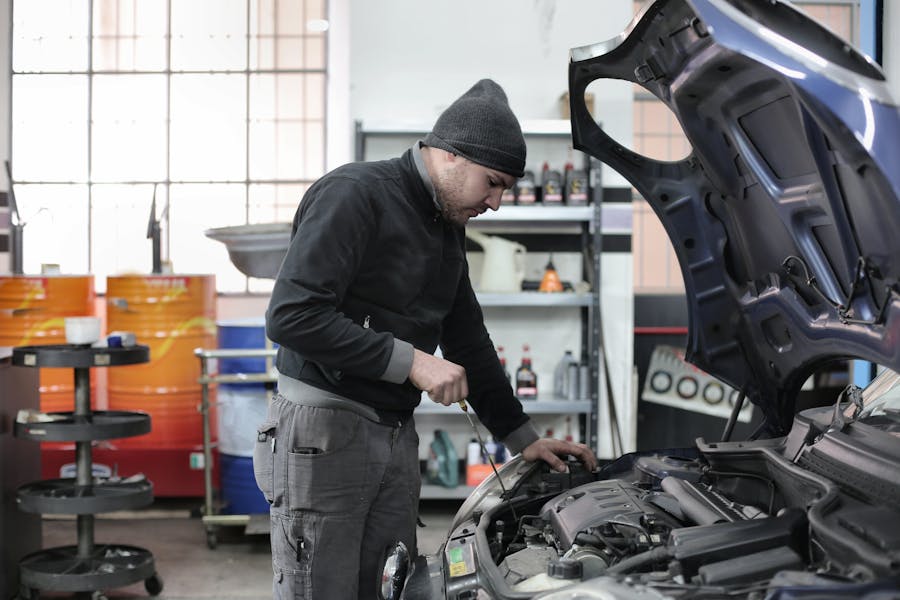
Preventive care is a key aspect of responsible car ownership. A good repair shop will emphasize the importance of regular maintenance rather than focusing solely on fixing problems.
By prioritizing maintaining your vehicle, you can:
- Reduce the risk of major breakdowns
- Improve fuel efficiency
- Extend the lifespan of your car
- Enhance overall safety
Choose a shop that encourages proactive care and provides guidance on keeping your vehicle in top condition.
Is It Worth Testing a Shop Before Committing?
If you’re unsure about a shop, consider starting with a small service such as an oil change or tire rotation. This allows you to evaluate the quality of work, communication, and overall experience without making a significant commitment.
During your visit, pay attention to:
- How long the service takes
- Whether the estimate matches the final cost
- The professionalism of the staff
- The condition of your vehicle after service
A positive experience with a minor service can give you confidence in choosing the shop for more complex repairs.
Conclusion
Choosing the right auto repair and maintenance shop requires careful consideration, but the effort is well worth it. By focusing on factors such as trust, transparency, expertise, and customer service, you can find a shop that meets your needs and supports your vehicle’s long-term performance.
A reliable repair shop is more than just a service provider—it’s a partner in keeping your car safe, efficient, and dependable. Take the time to research your options, ask the right questions, and prioritize quality over convenience. With the right choice, you’ll enjoy greater peace of mind and a smoother driving experience for years to come.