
Every season brings its own set of environmental hazards designed to wear down your car or truck. Blistering summer ultraviolet rays bake clear coats and boil battery electrolytes, while sudden hailstorms dent roof panels and shatter glass. When winter arrives, freezing temperatures thicken vital fluids, and municipal road crews spread corrosive brine and rock salt that quietly eat away at exposed steel underneath your chassis. Waiting until damage becomes visible almost always leads to expensive emergency bills and steep depreciation. Fortunately, building a proactive, year-round weather defense routine keeps your daily driver or work rig reliable, safe, and looking sharp no matter what the forecast throws at it. By combining surface protection, glass vigilance, mechanical preparation, and smart recovery habits, you can shield every square inch of your vehicle from extreme elements before they take a toll.
Exterior Paint, Undercarriage, and Cargo Defense
Apply Hydrophobic Paint Sealants Before Peak UV and Salt Seasons
Factory clear coats are remarkably thin, often measuring no thicker than a standard sticky note. Prolonged exposure to intense sunlight breaks down UV inhibitors in the paint, causing dull oxidation and peeling, while winter road salt accelerates rust wherever microscopic rock chips expose bare metal. Applying a durable sacrificial barrier before severe weather arrives is one of the smartest investments you can make in exterior preservation. Unlike traditional carnauba wax that melts away after a few hot weeks, a professional-grade automotive coating chemically bonds to the clear coat to create a slick, hydrophobic shield that repels water, road grime, and acidic bird droppings.
- Wash the vehicle thoroughly with a pH-neutral soap and use a clay bar to remove embedded brake dust and industrial fallout before sealing.
- Focus extra protection on high-impact zones such as the front bumper, hood leading edge, mirror caps, and lower rocker panels.
- Rinse the undercarriage weekly during winter months to flush trapped salt brine out of suspension mounts and frame rails.
Seal Exposed Cargo Beds Against Moisture, Rust, and Heavy Loads
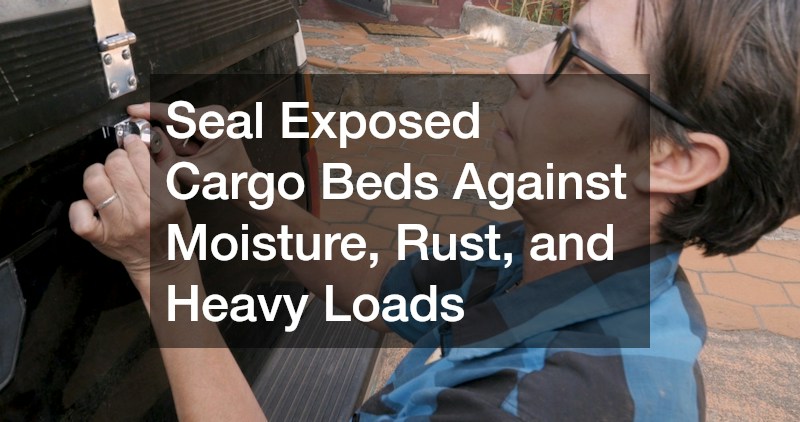
Pickup truck beds endure some of the harshest abuse of any exterior surface, facing standing rainwater, melting snowbanks, and heavy equipment sliding across painted steel or aluminum. While drop-in plastic liners offer basic impact resistance, they frequently warp in extreme heat and trap moisture underneath, creating a hidden breeding ground for rust and corrosion. Choosing a professionally applied spray on bedliner solves both problems at once by forming an airtight, watertight seal directly over prepped metal. Because the textured polyurethane or polyurea membrane flexes with extreme temperature swings, it will not crack in sub-zero freezes or peel during summer heatwaves.
- Clear leaves, pine needles, and dirt from the front bulkhead drainage slots every month so rainwater never pools inside the bed.
- Hose down the textured surface after hauling fertilizer, de-icing salt, or wet firewood to prevent chemical staining.
- Inspect bed rail caps and stake pockets for loose trim pieces where water could seep into hollow side panels.
Inspect Tailgate Seals, Drainage Channels, and Tonneau Covers Annually
Even the toughest cargo liner cannot protect tools, luggage, or recovery gear if water and freezing wind blow directly through worn weatherstripping. Over time, rubber gaskets around the tailgate perimeter flatten out, dry rot under summer sun, or freeze to the metal frame and tear when forced open in January. Scheduling routine truck bed services before storm season ensures that tonneau cover rails, retractable canister drain tubes, and tailgate seals remain completely watertight. Proper alignment also prevents wind-driven sleet from infiltrating the cargo area at highway speeds.
- Wipe rubber tailgate gaskets with a silicone-based protectant each autumn to prevent them from freezing shut during ice storms.
- Pour a cup of water into retractable tonneau cover tracks to verify that drainage hoses empty freely outside the bed.
- Check tailgate latch cables and hinges for grit buildup, applying white lithium grease so mechanisms operate smoothly in freezing weather.
Windshield and Glass Protection Against Temperature Swings

Repair Minor Rock Chips Immediately Before Freeze-Thaw Cycles Hit
A tiny pebble kicked up on the highway might leave nothing more than a harmless-looking pinhead blemish in July, yet that same chip can split your entire windshield in half the first time temperatures drop below freezing. Moisture seeps into the microscopic fracture, expands as it turns to ice, and puts immense outward pressure on the laminated glass. When you crank up the interior defroster, sudden thermal shock causes the crack to run across your line of sight, turning a quick resin repair into a full auto glass replacement. Addressing chips immediately preserves the structural integrity of the cabin roof and keeps modern driver-assistance cameras properly aligned.
- Place a piece of clear packing tape over a fresh rock chip to keep moisture and dirt out until a technician can inject resin.
- Avoid blasting maximum hot air onto an icy windshield; warm the cabin gradually with lukewarm airflow first.
- Verify that any newly installed windshield undergoes static or dynamic camera recalibration so lane-keeping sensors remain accurate.
Use Thermal Windshield Covers and Proper Defrosting Habits
Daily winter habits play a massive role in preventing stressed glass, ruined wiper motors, and scratched windshields. Scraping thick freezing rain with a dull plastic blade often leaves permanent micro-scratches that scatter oncoming headlight glare at night, while pouring hot water onto a frozen pane can shatter it instantly. Similarly, severe summer hailstorms or falling branches during high winds can overwhelm tempered side and rear windows, forcing unexpected car glass replacements when vehicles are left exposed outdoors. Taking a few preventative precautions every evening saves both time and glass integrity during extreme weather events.
- Lay a heavy-duty padded windshield cover across the glass before forecasted snow or hail to absorb impact and prevent frost buildup.
- Flip wiper blades away from the glass ahead of sleet storms, and never use the wiper motor to break frozen blades loose.
- Apply a hydrophobic glass treatment every few months so torrential rain beads off cleanly at highway speeds.
Powertrain and Heavy-Duty Mechanical Resilience
Flush and Monitor Transmission Fluid Ahead of Extreme Heat and Towing
Extreme ambient temperatures put tremendous stress on your vehicle’s drivetrain, even when you are simply commuting in stop-and-go traffic. In scorching summer weather, automatic transmission fluid thins out and loses its lubricating film, accelerating wear on internal clutch packs and planetary gears. Conversely, sub-zero winter mornings thicken old, oxidized fluid until it struggles to flow through narrow valve body passages. Neglecting fluid intervals under severe operating conditions is one of the fastest ways to trigger an unexpected auto transmission repair bill that rivals the value of an older car.
- Check your owner’s manual for the severe-duty maintenance schedule, which almost always applies to regions with extreme heat, freezing winters, or hilly terrain.
- Watch for early warning signs such as delayed gear engagement on cold mornings, hard shifts, or dark brown fluid that smells burnt.
- Install an auxiliary transmission cooler if you regularly tow trailers, haul heavy loads, or drive through mountain passes in summer.
Winterize Glow Plugs, Fuel Filters, and Cooling Systems on Heavy Rigs
Diesel-powered pickups and commercial work trucks deliver unmatched torque in tough conditions, yet their high-compression engines face unique vulnerabilities when the mercury plummets. Standard diesel fuel contains paraffin wax that begins to crystallize and turn cloudy in freezing weather, clogging fuel filters and starving the engine of power. Water trapped in fuel separators can also freeze solid, while weak batteries struggle to heat glow plugs enough for reliable cold starts. Partnering with a reputable diesel truck repair company ahead of peak winter and summer seasons keeps turbochargers, exhaust gas recirculation coolers, and heavy-duty fuel systems operating reliably under load.
- Drain water from the fuel-water separator filter housing monthly and carry a spare fuel filter plus basic wrenches in the cab.
- Use a winter anti-gel fuel additive before temperatures drop below freezing, and plug in the engine block heater overnight during deep freezes.
- Test both batteries independently before winter arrives, as one weak battery will rapidly drain its partner in cold weather.
Post-Storm Recovery and Vetting Trusted Specialists

Address Hail Dents and Salt Corrosion Before Paint Fractures Spread
Once a severe hailstorm, flash flood, or brutal winter passes, inspecting your vehicle carefully in bright daylight helps catch minor cosmetic damage before it escalates into structural rot. Even shallow hail dings on roofs and hoods can stretch the metal enough to create hairline fractures in the clear coat that are invisible at a glance. Left untreated, moisture and road salts penetrate those microscopic cracks, causing rust bubbles to bloom from the inside out. Scheduling prompt auto body repairs allows specialists to use paintless dent removal on intact finishes or reseal compromised panels before corrosion spreads to adjoining fenders and structural pillars.
- Walk around the vehicle at a forty-five-degree angle under direct sunlight to spot subtle ripples, chipped edges, and bubbling paint near wheel wells.
- Rinse wheel arches, door jambs, and rocker drain holes thoroughly after driving through coastal storm surge or heavily salted roads.
- Address cracked plastic bumper covers promptly so moisture cannot corrode underlying steel reinforcement bars and parking sensors.
Schedule Pre-Season Multi-Point Inspections with Vetted Technicians
Catching a cracked serpentine belt, weak alternator, or worn brake hose inside a warm service bay is infinitely safer than discovering it during a blizzard or desert heatwave. Extreme weather exposes every borderline component on a vehicle, turning minor wear into sudden roadside breakdowns. Experienced automotive repair shops look beyond basic oil changes during seasonal inspections, testing battery cold-cranking amps, checking coolant freeze-and-boil protection with a refractometer, and measuring brake fluid moisture content. Establishing this routine twice a year eliminates guesswork before major seasonal shifts.
- Ask technicians to measure tire tread depth across the inner, middle, and outer grooves, ensuring at least four thirty-seconds of an inch for wet or snowy roads.
- Have your coolant concentration tested every autumn so the mixture protects against both sub-zero freezing and summer boil-overs.
- Look for facilities that provide digital inspection reports with clear photos of worn belts, leaking seals, or corroded battery terminals.
Build an Emergency Roadside Plan and Relationship with a Neighborhood Mechanic

Even the best-maintained vehicle can encounter black ice, flooded underpasses, or sudden storm debris that forces an unexpected stop during severe weather. Building a well-stocked, all-weather emergency kit ensures you remain warm, visible, hydrated, and self-sufficient if dangerous road conditions strand you along an isolated rural highway while waiting for assistance. Just as importantly, establishing a relationship with a trusted local auto repair shop already familiar with your vehicle’s baseline condition and maintenance history means you have an immediate, reliable advocate when storm damage, water intrusion, or sudden weather-related mechanical failures occur. Knowing exactly who to call—and having a clear recovery plan in place beforehand—removes panic from stressful roadside situations.
- Pack a compact lithium jump starter, heavy-duty tow strap, folding shovel, traction boards, LED road flares, and thermal emergency blankets in the cargo area.
- Keep a spare jug of winter-rated windshield washer fluid, an ice scraper, waterproof gloves, and a portable tire inflator accessible year-round.
- Store the contact details for your insurance roadside assistance and preferred neighborhood service center both in your phone and on a laminated card in the glove box.
Protecting your vehicle from harsh weather is not about tackling a single massive project once a year; it is about building consistent, seasonal habits that stay ahead of environmental wear. By sealing exterior paint and cargo beds against moisture, fixing minor glass chips before freeze-thaw cycles split them wide open, and keeping drivetrain fluids fresh for temperature extremes, you stop small vulnerabilities from turning into major mechanical or structural failures. Pairing these preventative routines with prompt post-storm inspections ensures that rust, thermal stress, and hidden wear never catch you off guard. Before the next heatwave, monsoon, or winter freeze arrives in your area, pick two or three steps from this guide to complete this weekend. Your car or truck will reward that preparation with safer handling, stronger reliability, and higher resale value for years to come.