Vehicle problems can be stressful, confusing, and costly if not addressed correctly. Understanding how professional auto repair shops approach diagnostics and repairs helps drivers make smarter decisions and avoid unnecessary expenses. From minor mechanical issues to major system failures, shops rely on a combination of experience, technology, and organized workflows to deliver timely and effective solutions. This guide dives deep into the methods shops use to evaluate, diagnose, and fix vehicles efficiently, providing helpful insights for both everyday drivers and fleet managers.
By learning about the diagnostic processes, common repair practices, and preventive strategies, vehicle owners can better prepare for visits to repair facilities. The more informed you are, the faster problems are identified, repairs are completed, and your car is back on the road safely. Whether dealing with electrical failures, engine issues, or collision damage, understanding how shops operate improves communication, trust, and results.
Understanding the Initial Vehicle Assessment
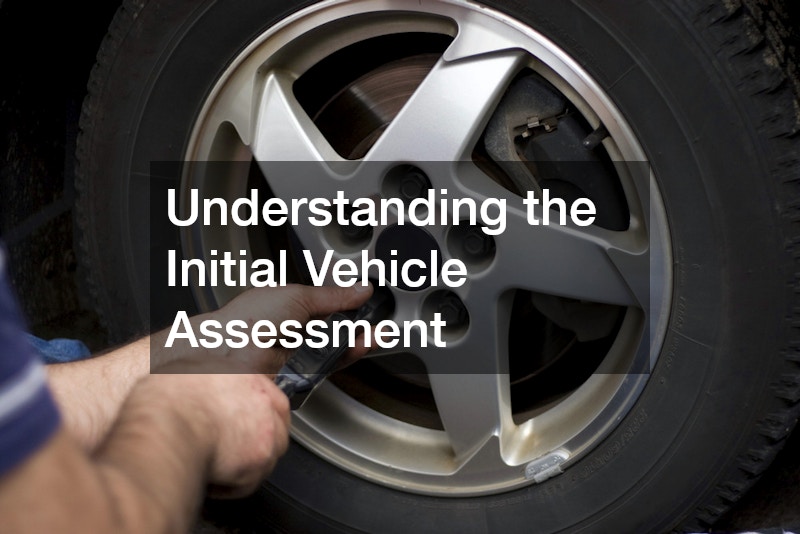
The first step in diagnosing any vehicle issue is the initial assessment. When a car enters an auto repair shop, trained technicians gather essential information to ensure an accurate diagnosis. This process typically involves several key steps:
- Reviewing the vehicle’s maintenance history and prior repairs.
- Interviewing the owner to understand symptoms, unusual noises, or performance changes.
- Conducting a preliminary visual inspection for obvious damage, leaks, or worn components.
- Checking fluid levels, tire condition, and other basic indicators of system health.
Car owners seeking advice from car repair shops benefit from this initial assessment because it narrows down potential issues quickly. The structured approach prevents time-consuming guesswork and allows technicians to prioritize critical repairs while planning a comprehensive diagnostic process.
Using Diagnostic Tools and Technology
Modern vehicles rely heavily on technology, and accurate diagnostics require specialized equipment. Professional shops utilize an array of diagnostic tools to detect problems quickly and reduce trial-and-error repairs. Common equipment includes:
- OBD-II scanners for engine and emission system codes.
- Multimeters for testing electrical circuits and battery performance.
- Engine analyzers to measure compression, fuel delivery, and ignition timing.
- Diagnostic software integrated with vehicle onboard systems to pinpoint faults.
Technicians with expertise in automotive repair use these tools to identify the root cause of issues efficiently. Additionally, an auto accessories store may provide performance monitors or sensors that allow both shops and owners to track vehicle health over time. Integrating these tools into a repair workflow reduces repair time and ensures that interventions are accurate rather than based on assumptions.
Identifying Engine and Performance Issues
The engine is often the most complex and critical component of a vehicle, and diagnosing performance problems requires a systematic approach. Technicians evaluate symptoms like unusual noises, smoke, reduced power, or increased fuel consumption. Shops also perform:
- Fuel system diagnostics to check for clogged injectors or failing pumps.
- Ignition system inspections, including spark plugs, coils, and timing components.
- Sensor testing for oxygen, mass airflow, and temperature sensors that affect engine efficiency.
- Compression tests to assess internal engine health.
Skilled professionals in local suspension repair often assist in evaluating how drivetrain and suspension issues can affect overall engine performance. Early detection of these problems through careful assessment helps prevent larger failures and costly repairs.
Handling Brake and Safety System Problems
Safety systems are non-negotiable, and professional shops prioritize inspection and repair of brakes, airbags, and other safety mechanisms. Steps typically include:
- Visual and performance testing of brake pads, rotors, and fluid systems.
- Airbag module and sensor diagnostics to ensure functionality.
- Electronic stability and traction control system checks.
- Calibration of safety sensors after repairs or replacements.
For fleet operators, collaborating with a fleet collision repair team ensures minimal downtime and consistent safety standards. Similarly, a local collision repair shop can assist in post-accident assessments and repairs, allowing brakes and safety systems to be restored to factory specifications efficiently.
Addressing Body and Exterior Damage
Exterior damage, whether from collisions or weather, requires coordination between repair specialists. Shops typically perform:
- Damage assessment and photographic documentation.
- Metal straightening, dent removal, and panel replacement.
- Windshield and window replacement, often involving an auto glass company.
- Paint matching and finishing for a seamless appearance.
Working with local auto body shops ensures access to specialized equipment and experienced technicians. This collaboration allows repairs to be completed faster, with higher-quality results that restore both aesthetics and safety.
Expanding on this, coordinated efforts between mechanical and body repair teams also help address underlying structural issues that may not be immediately visible. For example, a collision can cause subtle frame misalignment or hidden stress points in the chassis that require specialized tools and expertise to correct. By combining the strengths of auto repair shops and local body specialists, technicians can perform a comprehensive evaluation and repair process in one seamless workflow. This not only improves the visual outcome but also ensures that safety standards are fully met. Additionally, collaborating with an auto glass company allows for precise windshield and window installation, restoring structural integrity and visibility while minimizing the risk of leaks or drafts.
Electrical System Diagnostics
Electrical issues are a growing concern in modern vehicles due to advanced electronics. Common tests include:
- Battery and alternator performance checks.
- Wiring harness inspections for corrosion, shorts, or loose connections.
- Lighting system and fuse diagnostics.
- Computer module resets and software updates.
An auto repair shop experienced in automotive repair can quickly trace electrical faults and restore full functionality. Using advanced scanners and software tools reduces trial-and-error troubleshooting and prevents unnecessary part replacements.
Expanding on this, modern vehicles rely on increasingly sophisticated electrical systems, including infotainment, safety sensors, engine control units, and automated driver-assist technologies. Even a minor electrical fault can cause multiple components to malfunction simultaneously, making accurate diagnostics essential. Technicians begin by assessing the battery and alternator to ensure the vehicle has consistent power supply, as low voltage can mimic other failures. Wiring harness inspections detect corroded connectors, frayed wires, or loose terminals, which are often the root cause of intermittent electrical issues.
Lighting and fuse diagnostics ensure that essential safety systems, such as brake lights, headlights, and interior warning signals, operate correctly. Advanced scanners allow technicians to interface directly with vehicle computers, reading error codes and performing module resets or software updates to address electronic malfunctions efficiently. By relying on these tools and experience, repair shops minimize guesswork, reduce repair costs, and avoid unnecessary part replacements. This proactive approach ensures that vehicles remain safe, reliable, and fully functional, even as automotive technology becomes increasingly complex.
Transmission and Drivetrain Repairs
Transmission and drivetrain issues can be complex and costly if ignored. Repair shops perform:
- Transmission fluid analysis and filter inspections.
- Clutch and gear mechanism evaluations for manual transmissions.
- Differential and drive axle assessments.
- Suspension checks to ensure drivetrain alignment and performance.
Car owners relying on car repair shops or local suspension repair specialists benefit from integrated diagnostics that catch interconnected problems efficiently, reducing repeated visits and unexpected downtime.
Expanding on this, the transmission and drivetrain are critical systems that transfer power from the engine to the wheels, enabling smooth acceleration and safe vehicle operation. Problems in these systems often start subtly, such as slipping gears, unusual noises, or delayed engagement, but can escalate rapidly if left untreated. Transmission fluid analysis provides insight into the internal health of the system, helping detect contamination, overheating, or wear before major damage occurs. Similarly, checking clutch and gear mechanisms ensures proper function for manual vehicles, while automated transmission diagnostics verify that electronic controls and sensors are operating correctly.
Differential and drive axle assessments identify issues that can cause uneven tire wear, vibrations, or alignment problems, while suspension checks guarantee that the drivetrain operates within proper geometry. By addressing these areas together, repair shops prevent cascading failures that could otherwise result in expensive repairs or total system replacement. Integrated diagnostics also allow technicians to identify related issues, such as suspension misalignment affecting drivetrain performance, which improves efficiency, reduces downtime, and extends the overall life of the vehicle. This comprehensive approach ensures that car owners receive thorough, reliable service, keeping their vehicles safe and road-ready.
Specialized Repairs for Fleet and Commercial Vehicles
Fleet and commercial vehicles have unique demands that require specialized attention. Shops focus on:
- Scheduled inspections to prevent costly breakdowns during operations.
- Rapid diagnostics using fleet management software.
- Forklift and industrial vehicle servicing with trained forklift mechanics.
- Post-accident repairs through fleet collision repair teams.
Efficient handling of commercial vehicles ensures minimal disruption and helps businesses maintain productivity while keeping their fleets in safe operating condition.
Expanding on this, fleet and commercial vehicles differ significantly from personal vehicles because they endure heavier usage, carry larger loads, and often operate on tight schedules. Regular, proactive inspections are critical to identify potential failures before they escalate into costly downtime. By implementing a structured maintenance schedule, shops can ensure that trucks, vans, forklifts, and other industrial vehicles remain in peak condition.
Specialized equipment and trained professionals, including certified forklift mechanics, are essential for handling industrial vehicles safely and efficiently. In addition, fleet collision repair teams provide targeted solutions for vehicles involved in accidents, ensuring repairs meet industry standards while minimizing the impact on operations. By integrating preventive maintenance, rapid diagnostics, and specialized expertise, repair shops help businesses reduce unplanned downtime, maintain regulatory compliance, and protect both personnel and equipment.
Enhancing Vehicle Longevity Through Preventive Maintenance
Preventive maintenance is essential for prolonging vehicle life and avoiding major repairs. Key practices include:
- Regular oil changes, fluid checks, and filter replacements.
- Tire rotations, balancing, and alignment checks.
- Inspection of belts, hoses, and suspension components.
- Installing performance-enhancing items from an auto accessories store to monitor health metrics.
By collaborating with shops specializing in automotive repair, vehicle owners can catch issues early and prevent them from escalating into costly repairs.
Expanding on this, preventive maintenance not only protects the mechanical integrity of a vehicle but also improves safety, performance, and fuel efficiency. Regular oil changes and fluid inspections ensure that engines, transmissions, and braking systems operate smoothly, reducing friction and wear over time. Tire rotations, balancing, and alignment checks prevent uneven wear, improve handling, and extend tire life, which can save money in the long run. Inspecting belts, hoses, and suspension components helps identify wear or leaks before they result in breakdowns or more severe damage.
Modern preventive maintenance also incorporates technology, such as performance-monitoring tools available from an auto accessories store. These tools allow owners to track engine performance, battery health, and other critical metrics in real time, alerting them to potential issues before they become serious problems. By proactively partnering with automotive repair professionals, drivers benefit from expert insights, timely interventions, and a structured maintenance schedule. This approach minimizes unexpected failures, extends vehicle lifespan, and enhances overall reliability, making it a key strategy for responsible car ownership.
Streamlining Repairs for Efficiency and Accuracy
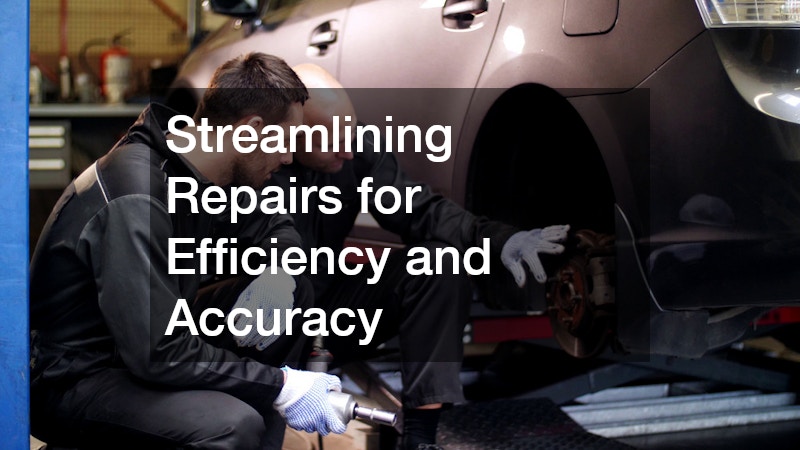
Efficiency is critical in modern auto repair. Best practices include:
- Organized workflow and clear prioritization of repairs.
- Inventory management to ensure parts availability and reduce delays.
- Staff training and specialization to improve diagnostic accuracy.
- Coordination between local auto body shops and auto repair shops for multi-faceted repairs.
Implementing these strategies allows shops to deliver high-quality repairs faster, minimizes errors, and improves customer satisfaction, ensuring vehicles are returned to owners safely and reliably.
Expanding on this, efficiency in auto repair isn’t just about speed—it’s about optimizing every step of the process. A well-organized workflow helps technicians move seamlessly from initial diagnostics to final inspections, reducing the time vehicles spend in the shop. Proper inventory management prevents unnecessary downtime caused by missing or backordered parts, which is especially critical for uncommon components or specialized vehicles. Regular staff training and specialization ensure that technicians are not only knowledgeable about the latest repair techniques but can also troubleshoot complex issues quickly, reducing the likelihood of repeat visits.
Moreover, effective coordination with local auto body shops allows simultaneous handling of mechanical, body, and paint repairs, streamlining multi-step projects. By focusing on these efficiency practices, auto repair shops improve accuracy, reduce operational bottlenecks, and create a smoother, more predictable experience for vehicle owners. Ultimately, this approach saves time, lowers costs, and enhances trust between the shop and its customers, making it a cornerstone of successful automotive service operations.
Efficient diagnosis and repair are the backbone of any successful auto repair operation. By combining experience, advanced technology, preventive maintenance, and coordinated workflows, professional shops solve complex problems quickly and accurately. Understanding these processes allows vehicle owners to communicate better, make informed decisions, and protect their investment, ensuring vehicles remain safe, reliable, and long-lasting for years to come.