Vehicle ownership involves far more than fueling up and driving from place to place. Every vehicle, whether it is a daily commuter car, a heavy-duty work truck, a towing vehicle, or a recreational utility cart, depends on a network of interconnected systems that require regular maintenance and timely upgrades. When these systems are ignored, small problems can quickly escalate into expensive repairs, safety risks, and unexpected downtime.
Many drivers make the mistake of waiting until something breaks before seeking professional service. Unfortunately, this reactive approach often leads to higher repair costs and greater inconvenience. A small vibration might indicate developing brake wear, while a minor fluid leak could point to larger drivetrain or towing-related issues. Addressing these concerns early can prevent far more serious damage later.
Preventative maintenance is one of the most effective ways to extend vehicle lifespan and maintain reliability. Regular inspections, routine servicing, and strategic upgrades allow drivers to identify wear before it becomes dangerous or expensive. This is especially important for vehicles used for towing, hauling, commercial work, or off-road travel, where systems operate under greater stress.
Seasonal conditions also play a major role in vehicle wear. Winter weather increases strain on brakes, suspension systems, and towing equipment. Summer heat can accelerate tire wear and damage interior surfaces. Heavy hauling and long-distance travel place additional pressure on engines, transmissions, hitches, and trailers.
Modern vehicle ownership also involves balancing functionality with comfort and appearance. Upgrades such as towing systems, truck modifications, protective tinting, and utility equipment can improve both performance and usability, but they also require proper installation and maintenance to operate safely.
This guide provides a comprehensive overview of practical strategies that help drivers prevent costly vehicle problems before they happen. By focusing on proactive inspections, safe towing practices, routine repairs, and thoughtful upgrades, vehicle owners can improve safety, reliability, and long-term value while reducing the likelihood of expensive breakdowns and emergency repairs.
Improve Vehicle Reliability with Consistent Mechanical Inspections
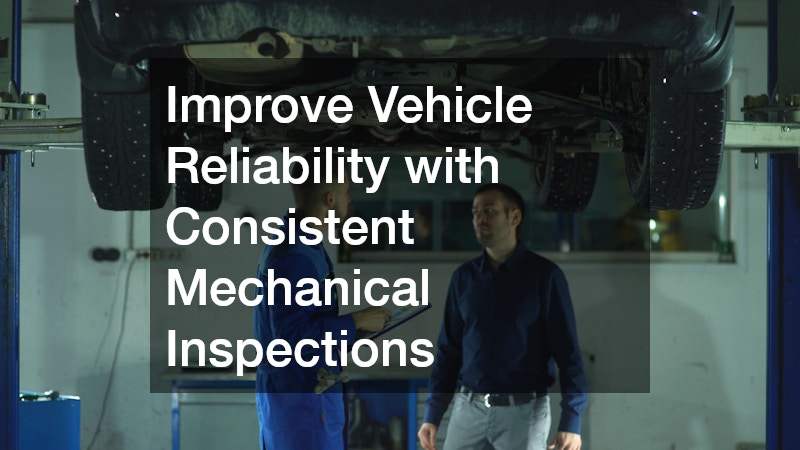
Mechanical reliability is the foundation of safe and efficient vehicle ownership. Every major system in a vehicle—engine, transmission, suspension, steering, brakes, and electrical components—experiences wear over time. Without regular inspections and maintenance, small issues can develop into major failures that are far more expensive to repair.
Routine auto repair services help identify early warning signs before they escalate into serious problems. Many drivers overlook minor symptoms because the vehicle still operates, but these symptoms often indicate deeper mechanical wear.
Common warning signs that require attention include:
- Unusual noises during acceleration or braking
- Vibrations in the steering wheel or floorboard
- Dashboard warning lights
- Reduced fuel efficiency
- Delayed shifting or sluggish acceleration
Preventative maintenance should include regular inspections of:
- Engine fluids and filters
- Belts and hoses
- Suspension components
- Tires and alignment
- Battery and charging systems
Consistent maintenance helps reduce breakdown risk while improving performance and fuel efficiency. It also allows technicians to identify developing problems before they cause secondary damage to surrounding components.
Drivers should also maintain accurate service records. Tracking repairs, inspections, and fluid changes helps establish maintenance intervals and supports future resale value.
Additional strategies for improving reliability include:
- Following manufacturer-recommended service schedules
- Addressing warning lights immediately
- Avoiding aggressive driving habits that increase wear
- Monitoring tire pressure and tread condition regularly
A proactive maintenance routine reduces long-term repair costs and helps ensure vehicles remain dependable in a wide range of driving conditions.
Maintain Safe Stopping Power and Driving Control
Braking systems are among the most important safety features in any vehicle. Even small declines in braking performance can increase stopping distances and reduce overall control, especially during emergency situations or poor weather conditions.
Brake repair becomes necessary when components such as pads, rotors, calipers, or brake lines begin to wear. Because braking systems operate under high friction and heat, deterioration occurs gradually over time.
Common signs of brake wear include:
- Squealing or grinding noises
- Vibrations while braking
- A soft or spongy brake pedal
- Increased stopping distance
- Pulling to one side during braking
Ignoring these warning signs can lead to rotor damage, reduced braking efficiency, and complete brake failure in severe cases.
Preventative maintenance should include:
- Regular brake inspections during routine service visits
- Monitoring brake fluid levels and condition
- Replacing worn pads before rotor damage occurs
- Checking brake lines for leaks or corrosion
Driving habits also affect brake lifespan significantly. Aggressive braking, towing heavy loads, and stop-and-go traffic increase wear on braking components.
Additional strategies for preserving braking performance include:
- Downshifting during steep descents when possible
- Avoiding unnecessary hard braking
- Maintaining proper tire condition for traction support
- Scheduling inspections before long road trips or towing operations
Reliable braking performance improves not only safety but also overall driving confidence in all conditions.
Protect Vehicle Appearance and Structural Integrity After Minor Collisions
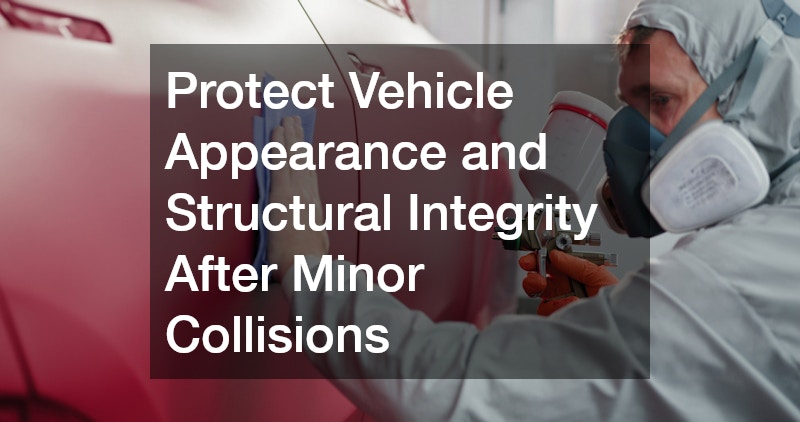
Minor collisions and parking lot impacts are common, but many drivers underestimate the importance of repairing bumper damage promptly. Modern bumpers are designed not only for cosmetic appearance but also for energy absorption and structural protection during collisions.
Bumper repair helps maintain vehicle safety systems while preventing further deterioration caused by moisture intrusion, rust, or misalignment.
Common forms of bumper damage include:
- Cracks and dents
- Scratches and paint damage
- Loose mounting brackets
- Sensor misalignment in newer vehicles
Even minor exterior damage can affect advanced safety features such as parking sensors, backup cameras, and collision detection systems.
Timely repairs help prevent:
- Corrosion beneath damaged paint
- Structural weakening of impact zones
- Misalignment of adjacent body panels
- Increased repair costs from delayed maintenance
Drivers should also regularly inspect exterior surfaces for signs of wear caused by road debris, weather exposure, and UV damage.
Additional maintenance strategies include:
- Washing vehicles regularly to remove road salt and contaminants
- Applying protective wax or coatings
- Addressing paint chips before rust develops
- Parking carefully in crowded or tight areas
Maintaining exterior condition not only preserves appearance but also protects the structural integrity and resale value of the vehicle.
Improve Comfort, Privacy, and Interior Protection
Interior comfort is an important aspect of vehicle ownership, especially for drivers who spend significant time on the road. Excessive heat, UV exposure, and glare can reduce driving comfort while accelerating wear on interior materials.
Window tint provides multiple practical benefits beyond appearance. Properly installed tint reduces solar heat gain, minimizes glare, and helps protect interior surfaces from fading or cracking.
Benefits of tinting include:
- Reduced interior temperatures during hot weather
- Improved privacy for passengers and belongings
- Reduced glare from sunlight and headlights
- Protection against UV-related interior damage
Maintaining comfortable interior temperatures also reduces strain on cooling systems, improving overall efficiency during summer driving.
Drivers should be aware of local regulations regarding tint darkness and visibility requirements. Improper tint installation or illegal tint levels can create safety concerns and legal issues.
Maintenance recommendations for tinted windows include:
- Avoid abrasive cleaning materials
- Use ammonia-free cleaning products
- Allow new tint to cure fully before cleaning
- Inspect edges for bubbling or peeling
Quality tint installation improves long-term comfort while helping preserve the condition of seats, dashboards, and interior trim.
Upgrade Trucks for Better Functionality and Work Performance
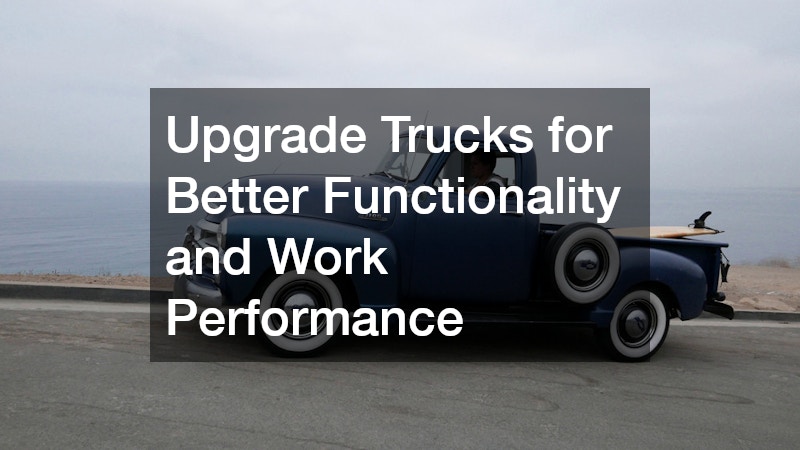
Work trucks often require specialized equipment and modifications to handle demanding jobsite, towing, or hauling conditions effectively. Proper upgrades improve productivity, safety, and long-term durability.
Truck upfitting services help customize vehicles for specific tasks, including storage systems, utility equipment, towing enhancements, and safety modifications.
Common upfitting upgrades include:
- Tool storage systems
- Ladder racks and utility shelving
- Heavy-duty suspension components
- Additional lighting and safety equipment
Vehicles used as a heavy hauler face additional strain on brakes, suspension, tires, and drivetrain components. Proper load distribution and towing setup are essential for safe operation.
Key considerations for heavy-duty use include:
- Matching payload capacity to intended use
- Maintaining proper tire inflation under load
- Monitoring suspension wear regularly
- Upgrading cooling systems when towing frequently
Preventative maintenance becomes even more important for work-focused trucks because of the increased operating stress they experience daily.
Additional maintenance strategies include:
- Inspecting towing components frequently
- Rotating tires regularly to manage uneven wear
- Monitoring transmission temperatures during heavy hauling
- Cleaning undercarriage components exposed to road debris or salt
Thoughtful upgrades improve both productivity and vehicle lifespan while supporting safer operation under demanding conditions.
Keep Trailers Safe and Reliable for Transport and Towing
Trailers experience significant wear from road vibration, weather exposure, and heavy loads. Without regular maintenance, small issues can quickly become dangerous during towing operations.
Trailer repair services help identify and correct structural, electrical, and mechanical concerns before they lead to breakdowns or accidents.
Common trailer maintenance concerns include:
- Tire wear or dry rot
- Faulty brake systems
- Damaged lighting or wiring
- Rust or frame corrosion
- Suspension wear
Trailer hitches also require regular inspection to ensure proper alignment and secure towing performance.
Important hitch maintenance practices include:
- Inspecting mounting bolts and hardware
- Checking for rust or metal fatigue
- Ensuring couplers lock securely
- Verifying trailer weight distribution
Weather exposure is another major factor affecting trailer condition. Moisture, road salt, and UV exposure accelerate corrosion and material deterioration over time.
Additional preventative maintenance tips include:
- Storing trailers in covered areas when possible
- Greasing moving components regularly
- Checking tire pressure before every trip
- Inspecting electrical connections frequently
Consistent maintenance reduces towing risks and improves trailer reliability during both short-distance and long-distance transport.
Ensure Towing Equipment Performs Safely Under Load
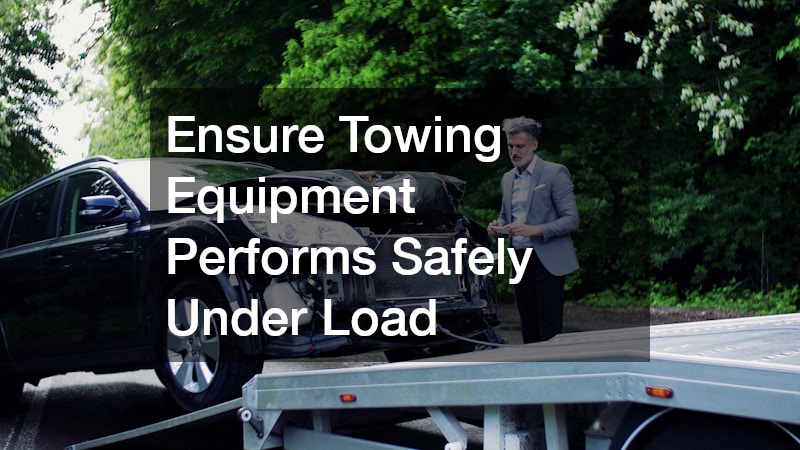
Towing equipment must operate under significant stress, particularly during heavy hauling or long-distance travel. Improper towing setups increase the risk of vehicle instability, trailer sway, and component failure.
Tow hitches should always be matched to the vehicle’s towing capacity and intended load requirements. Using undersized or improperly installed towing equipment can create dangerous driving conditions.
Key inspection points include:
- Signs of rust or structural cracking
- Loose mounting hardware
- Excessive wear around hitch receivers
- Electrical connector performance
Safe towing practices include:
- Verifying weight distribution before travel
- Using safety chains correctly
- Checking brake controller operation
- Inspecting trailer lights before departure
Drivers should also understand how towing affects braking distance, acceleration, and steering response. Heavy loads place additional stress on drivetrain and suspension systems, requiring more cautious operation.
Additional towing safety strategies include:
- Reducing speed during adverse weather conditions
- Avoiding sudden steering inputs
- Monitoring tire temperatures during long trips
- Scheduling regular towing equipment inspections
Maintaining towing systems properly improves safety, reduces equipment wear, and supports reliable vehicle performance under load.
Extend the Lifespan of Smaller Recreational and Utility Vehicles
Smaller utility and recreational vehicles require regular maintenance just like full-size automobiles. Whether used for transportation, recreation, or commercial purposes, these vehicles experience wear on batteries, steering systems, brakes, and tires over time.
Golf cart repairs often involve battery maintenance, electrical troubleshooting, and suspension inspections. Because many carts operate in outdoor environments, weather exposure can accelerate deterioration if maintenance is neglected.
Common maintenance needs include:
- Battery cleaning and charging system checks
- Tire pressure monitoring
- Brake inspections and adjustments
- Steering and suspension lubrication
Battery care is especially important for electric models. Improper charging habits or corrosion buildup can significantly shorten battery lifespan.
Preventative maintenance recommendations include:
- Cleaning battery terminals regularly
- Storing vehicles in dry, covered areas
- Checking fluid levels where applicable
- Inspecting wiring connections periodically
Seasonal storage preparation also helps reduce long-term damage.
Additional storage tips include:
- Disconnecting batteries during long inactivity periods
- Covering vehicles to protect against moisture and UV exposure
- Inflating tires properly before storage
- Cleaning debris from moving components
Routine maintenance ensures recreational and utility vehicles remain safe, efficient, and dependable over time.
Create a Preventative Maintenance Schedule for All Vehicle Types
Preventative maintenance works best when it is organized into a structured schedule. Waiting until problems appear often leads to higher repair costs and greater downtime.
Mileage-based inspections should include:
- Oil and filter changes
- Tire rotations and alignment checks
- Brake inspections
- Fluid level monitoring
Seasonal maintenance priorities may involve:
- Cooling system checks before summer
- Battery inspections before winter
- Trailer and towing inspections before travel seasons
- Rust prevention during wet or snowy conditions
Keeping detailed service records helps drivers track recurring issues and plan future upgrades more effectively.
Organized maintenance reduces emergency repairs while improving long-term reliability and safety.
Budget for Repairs and Vehicle Upgrades Before Emergencies Occur
Vehicle ownership involves ongoing financial responsibilities beyond fuel and insurance. Creating a maintenance budget helps drivers avoid financial stress when repairs become necessary.
Effective budgeting strategies include:
- Setting aside monthly maintenance savings
- Prioritizing safety-related repairs first
- Comparing preventative maintenance costs versus emergency repairs
- Planning upgrades in manageable phases
Drivers should also prepare for seasonal maintenance and towing-related expenses that may occur throughout the year.
Tracking repair history and maintenance costs provides valuable insight into long-term vehicle ownership expenses.
Increase Vehicle Value Through Consistent Care and Strategic Upgrades
Well-maintained vehicles consistently retain more value and attract greater buyer confidence during resale.
Important value-preserving strategies include:
- Maintaining accurate service records
- Addressing cosmetic damage promptly
- Upgrading functional equipment strategically
- Keeping interiors clean and protected
Balanced upgrades that improve functionality without compromising reliability often provide the best long-term return.
Consistent care supports both daily performance and future resale potential.
Preventing costly vehicle problems requires consistency, awareness, and a proactive maintenance mindset. Every component within a vehicle—from brakes and towing systems to trailers and utility upgrades—plays an important role in overall safety, reliability, and performance. When these systems are neglected, small issues can quickly evolve into expensive repairs or dangerous driving conditions.
Routine inspections and preventative maintenance provide one of the most effective ways to reduce long-term repair costs. Addressing warning signs early helps drivers avoid larger mechanical failures while extending vehicle lifespan and improving overall efficiency.
Strategic upgrades also contribute to long-term reliability when installed and maintained properly. Whether improving towing capability, work functionality, or driver comfort, thoughtful modifications enhance vehicle usability while supporting safer operation.
Financial preparation is equally important. Budgeting for routine maintenance and phased upgrades allows vehicle owners to manage expenses more effectively while reducing the stress associated with unexpected breakdowns.
Ultimately, consistent care protects more than just the vehicle itself—it supports driver safety, reliability, and long-term value. With a structured approach to inspections, repairs, and upgrades, drivers can build safer, more dependable vehicles that continue performing efficiently for years to come.