Crossing the six-figure mark on an odometer in a stock commuter car is routine—it merely means you have followed basic oil change intervals and replaced a few wear-and-tear items along the way. Hitting 100,000 miles in a modified, high-output performance rig, however, is an achievement earned through disciplined engineering, precise thermal management, and relentless maintenance. When you push engine output well beyond factory specifications, every component operates closer to its physical yield limits, accelerating heat cycles, mechanical friction, and material degradation.
The reality of tuned longevity is that factory maintenance schedules become completely obsolete the moment you upload an aggressive ecu map, bolt on an oversized turbocharger, or install stiffer valve springs. Increased cylinder pressures strain head gaskets, elevated rotational speeds stress rod bearings, and hard-driven suspension setups crush rubber bushings far faster than normal daily driving ever could. High mileage on a modified build is not an inevitable sentence for catastrophic mechanical failure. Instead, it serves as the ultimate test of how thoughtfully the build was executed and maintained.
This guide breaks down the critical mechanical systems, proactive maintenance protocols, thermal protection strategies, and operational logistics required to keep high-horsepower daily drivers, track builds, and heavy tow rigs running reliably well past 100,000 miles. By shifting your mindset from reactive repair work to proactive system preservation, you can enjoy maximum power, sharp chassis precision, and total confidence behind the wheel for years to come.
Adapting Fluid Schedules for Forced-Induction and Tuned Engines
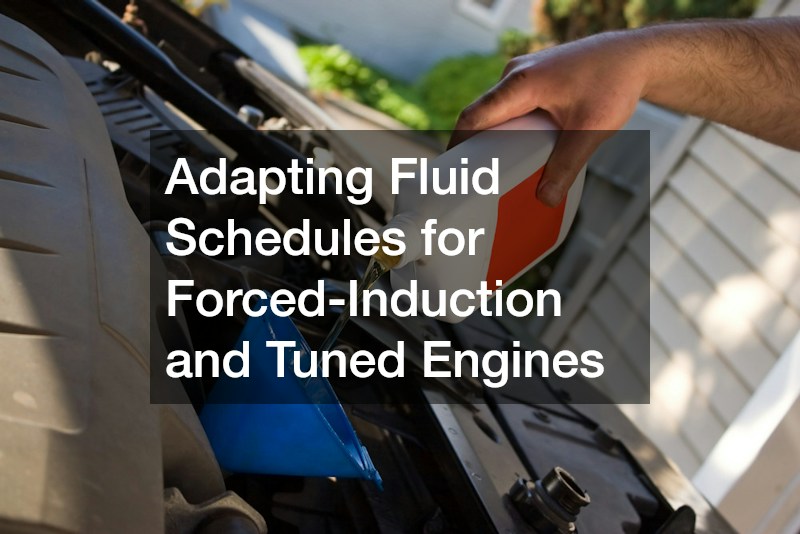
Factory oil change intervals of 7,500 or 10,000 miles are designed for stock engines operating under mild conditions, targeting fleet efficiency metrics rather than maximum component longevity. In a forced-induction or high-rpm naturally aspirated build, fuel dilution, severe thermal shear, and blow-by contaminants degrade oil viscosity at an accelerated rate. To protect journal bearings, cam lobes, and piston rings, high-performance builds require an aggressive change interval of 3,000 to 5,000 miles using high-zinc, full-synthetic formulations tailored to the vehicle’s operating temperatures.
In addition to shortened drain intervals, establishing a regular routine of sending oil samples to an analytical laboratory provides invaluable insight into internal engine health. Laboratory analysis measures ppm levels of wear metals such as copper, lead, and aluminum, allowing you to catch bearing flaking or wrist pin wear long before it manifests as knock. Furthermore, tracking fuel dilution percentages helps identify weeping injectors or blow-by issues early, protecting the critical oil film required to keep high-stress crankshaft journals intact.
Servicing High-Stress Drivetrain Components Under Load
Extremely high torque output places tremendous shear stress on differential gears, driveshaft U-joints, and transmission clutch packs. As miles accumulate, micro-abrasives from gear mesh and clutch friction material circulate through the fluid, acting like liquid sandpaper on syncros, bearings, and hydraulic valve bodies. Upgrading to high-capacity, finned differential covers and transmission pans increases fluid volume, helping lower operating bulk temperatures during sustained high-load pulls or aggressive back-road runs.
When aggressive shifting, gear whine, or elevated torque levels start to degrade gear engagement, partnering with specialized technicians experienced in local transmission repair ensures that internal tolerances, clutch stack clearances, and torque converter lockup mechanisms are rebuilt to handle sustained high-horsepower demands. Proactive drivetrain overhauls eliminate sloppy gear engagement and prevent catastrophic case fractures under hard launch conditions.
Managing Underhood Thermal Creep and Heat Soak
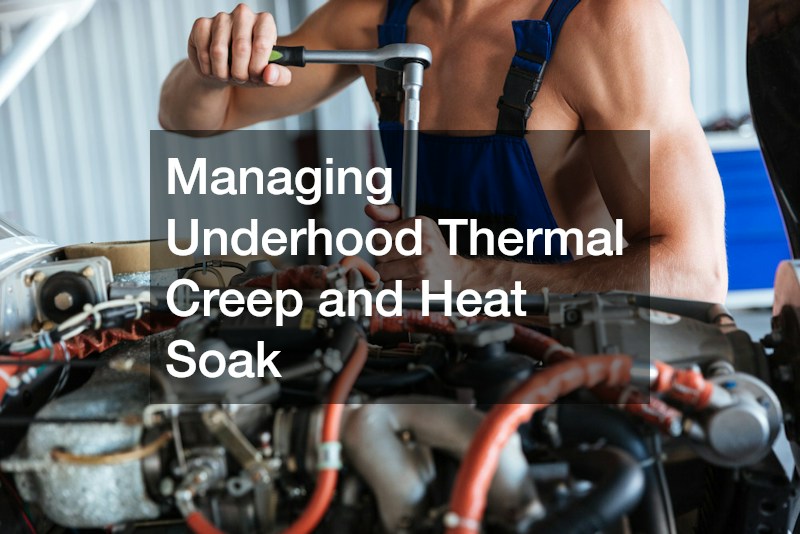
Tuned turbochargers, aftermarket headers, and high-flow exhaust manifolds radiate extreme heat into the engine bay, creating a localized furnace that degrades nearby components over time. Extended exposure to these intense thermal cycles bakes factory plastic wiring connectors, degrades rubber vacuum hoses until they crack, and cooks firewall sound deadening into a brittle, ineffective shell. Without aggressive thermal mitigation, this heat creeps into the footwells and cabin, making long drives uncomfortable while increasing the risk of electrical short circuits under the hood.
- Wrap downpipes and headers with high-temperature basalt or titanium exhaust wraps to trap kinetic heat inside the exhaust stream.
- Install multi-layer aluminum or ceramic heat shields between exhaust hot sides and sensitive components like brake master cylinders, fuel lines, and steering racks.
- Replace deteriorating factory sound deadening with high-density butyl and aluminum insulation along the firewall and floor pans to block radiant heat and reduce road drone.
- Utilize gold or aluminum reflective thermal tape on intake pipes, airboxes, and engine bay wiring looms to reflect radiant heat energy away from cold air charges.
Cooling System Overhauls and Fluid Dynamics
A performance engine’s cooling system must shed significantly more heat energy per minute than the factory setup was engineered to handle. Over 100,000 miles, internal radiator passages accumulate scale deposits, plastic radiator end tanks turn brittle and develop micro-cracks, and water pump impellers suffer from cavitation erosion. Upgrading to a high-capacity, multi-pass aluminum radiator paired with high-flow electric fans ensures that engine coolant temperatures remain rock-steady, even during repeated wide-open-throttle runs on hot summer days.
Beyond upgrading heat exchangers, managing overall fluid dynamics requires a comprehensive approach to oil and coolant routing. Stock water-to-oil heat exchangers often struggle under sustained track or high-boost conditions, inadvertently dumping oil heat back into the engine coolant circuit. Installing a dedicated thermostatically controlled external oil cooler stabilizes oil temperatures around 200°F to 220°F. This prevents thermal breakdown of the oil’s additive package while relieving the primary cooling system of excessive thermal stress.
Upgrading Friction Materials for High-Mass and High-Speed Stopping
Elevating engine output without matching the vehicle’s stopping capability is a dangerous imbalance. High speeds convert massive amounts of kinetic energy into extreme thermal loads at the brake rotors during hard deceleration. Factory brake pads and light-duty rotors saturate quickly under these conditions, leading to severe brake fade, boiled fluid, and spongy pedal feel. Upgrading to high-friction compound pads, slotted rotor assemblies, and high-temp DOT 4 synthetic brake fluid ensures consistent stopping performance when hauling down from high speeds.
Executing comprehensive brake repairs—such as rebuilding multi-piston calipers with high-temp silicone dust boots, replacing flexing rubber lines with stainless steel braided units, and replacing grooved rotors—restores razor-sharp pedal response and guarantees maximum clamping force when you need it most.
- Flush brake fluid every 12 to 18 months to eliminate absorbed moisture and prevent pedal fade under extreme heat.
- Inspect caliper slide pins and piston seals for binding, uneven wear, or heat-induced boot cracking.
- Install dedicated brake cooling ducts to channel high-pressure air from the front bumper directly to the rotor hats.
- Verify that rotor thickness meets minimum resurfacing specs before pairing aged discs with aggressive, high-friction track pads.
Suspension Refresh and Bushing Upgrades for Precision Handling
By the time a chassis reaches six figures on the odometer, soft rubber control arm bushings, subframe mounts, and sway bar links have deteriorated significantly due to road grime, oil exposure, and mechanical flex. This slop allows wheel alignment angles to shift dynamically under heavy cornering or braking loads, resulting in vague steering feedback, high-speed instability, and erratic tire wear. Replacing squishy OEM rubber with high-durometer polyurethane or spherical monoball bushings restores original geometry control and eliminates unwanted subframe movement.
Simultaneously, factory dampers lose their gas charge and hydraulic damping resistance over time, causing excessive body roll and compromising tire contact patches over rough pavement. Installing height-adjustable coilovers featuring adjustable rebound and compression damping allows you to dial in precise corner weights and roll stiffness. This investment ensures that your high-horsepower build puts its power down cleanly through corners without unsettling the chassis or wheel-hopping off the line.
Maintaining Dedicated Tow Rigs and High-Torque Haulers
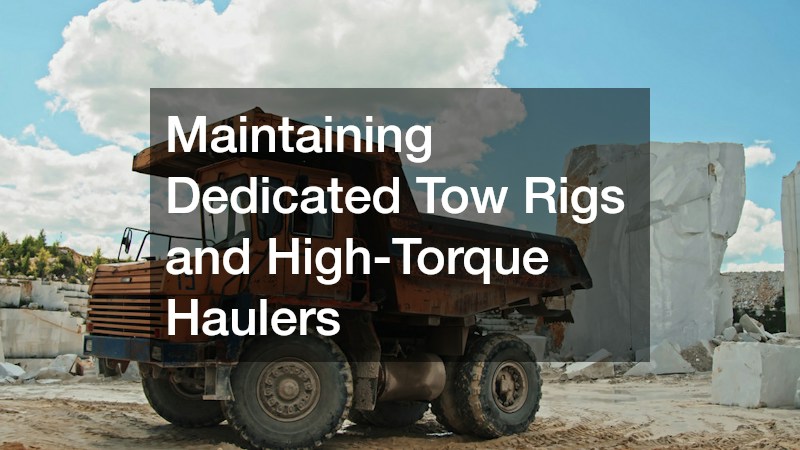 For many enthusiasts, keeping a high-mileage sports car running strong requires a equally dependable tow vehicle to haul the build to track days, car shows, and distant mountain runs. These heavy-duty tow rigs endure their own extreme mechanical stresses, often pulling multi-ton enclosed trailers up steep mountain grades in scorching weather. High-torque turbodiesel engines demand rigorous maintenance schedules focused on fuel filtration, turbocharger oil supply lines, and heavy-duty cooling system integrity to avoid highway breakdowns while hauling valuable cargo.
Scheduling specialized diesel truck service ensures that high-pressure common-rail fuel injectors, exhaust gas recirculation systems, and variable-geometry turbo vanes are cleaned, calibrated, or replaced before long-distance hauling trips. Maintaining pristine fuel delivery systems and addressing valve train wear on your support vehicle guarantees that your weekend track expedition proceeds smoothly without tow rig mechanical delays.
Managing Auxiliary Mechanical Systems and Minor Failures
As support trucks and daily-driven performance cars age, minor auxiliary mechanical components inevitably fail. Power steering pumps develop fluid leaks, alternators lose voltage regulator efficiency under high electrical loads, and accessory belt tensioners lose spring force, causing belt slip at high rpm. Ignoring these secondary issues often triggers catastrophic secondary damage, such as a thrown serpentine belt wrapping behind a harmonic balancer or an overheating power steering pump seizing and spraying flammable fluid onto hot headers.
Establishing a routine partnership with skilled technicians for routine auto repair tasks allows you to systematically address accessory drive wear, oil pan leaks, and failing air conditioning compressors before they leave you stranded. Keeping every secondary system functioning at 100 percent capacity preserves the overall vehicle value and ensures total operating reliability regardless of total vehicle mileage.
Tackling Complex Milestone Overhauls in the Home Garage
Reaching the 100,000-mile mark often coincides with major overhaul milestones, such as replacing a worn clutch assembly, pulling cylinder heads for valve job servicing, or dropping subframes to install upgraded sway bars and steering racks. Executing these labor-intensive projects at home requires specialized equipment that goes beyond basic socket sets and jack stands. Having access to heavy machinery makes complex component removal safe, efficient, and precise.
- Heavy-duty hydraulic engine hoists and load levelers for safe engine and transmission extraction.
- Transmission jacks with adjustable cradles to align heavy gearboxes precisely during reinstall.
- Pneumatic or electric ball joint presses and bushing removal sleeves to swap suspension arm mounts without damage.
- Induction heaters to break free rusted chassis bolts and stubborn exhaust flange studs safely without open flames.
Leveraging a professional equipment rental hub gives home mechanics temporary access to commercial-grade hydraulic presses, engine cranes, and specialized alignment tools without permanently cluttering limited garage floor space or inflating build budgets.
Recognizing the Line Between DIY Projects and Professional Services
While performing your own mechanical work builds deep familiarity with your vehicle and saves substantial labor costs, knowing when to outsource complex jobs is critical to project success. Precision tasks like line-boring engine blocks, dynamic crankshaft balancing, cutting three-angle valve seats, or setting differential ring-and-pinion gear backlash demand commercial-grade machine tools and decades of specialized expertise. Attempting these procedures without proper tooling often leads to premature component failure and costly rebuilds.
Outsourcing intensive engine machine work, intricate wiring harness fabrication, or structural frame repairs to specialized facilities focused on complex auto repairs guarantees that clearances are measured down to the ten-thousandth of an inch. Allowing dedicated professionals to handle precision machining ensures that your reassembled engine or drivetrain delivers maximum power and durability for another 100,000 miles.
Building a Contingency Strategy for Roadside Emergencies

Even meticulously maintained high-horsepower vehicles face unforeseen mechanical failures, electrical glitches, or tire blowouts when driven hard over long distances. Modified vehicles featuring lowered ride heights, aggressive front splitters, and custom suspension geometry present unique transportation challenges when stranded on the side of a highway. Standard hook-and-chain tow trucks can easily tear off aftermarket bodywork, crush aluminum oil pans, or bend delicate suspension links during loading.
- Store low-profile loading ramps or wooden race ramps in your support vehicle to assist with flatbed loading angles.
- Install dedicated front and rear tow straps or screw-in tow hooks to provide secure winch attachment points.
- Keep a roadside emergency tool kit containing extra silicone couplers, hose clamps, fuses, zip ties, and basic hand tools.
- Carry a digital OBD-II scanner or laptop with diagnostic software to read trouble codes and log sensor data in the field.
Securing dedicated roadside coverage with reputable tow truck companies guarantees that when a failure occurs, an experienced operator with an aluminum roll-back flatbed is dispatched to handle your low-clearance vehicle safely without damaging expensive ground effects or custom exhaust systems.
Handling Heavy-Duty Support Fleet Roadside Failures
When a fully loaded tow rig pulling a multi-ton enclosed trailer suffers an unexpected highway blowout, transmission cooler line rupture, or wheel bearing failure, standard passenger vehicle breakdown assistance is completely inadequate. The weight, length, and dual-rear-wheel configuration of heavy tow setups require specialized recovery equipment, high-capacity winches, and commercial transport units to clear the roadway safely.
Maintaining an active contract with a dedicated heavy duty roadside service provider ensures that big-rig recovery equipment is dispatched immediately to transport your fully loaded truck, trailer, and race car setup off the interstate without delay. This specialized support protects your tow rig and cargo from secondary highway accidents while getting you to a safe repair facility.
Sourcing Clean Platforms for Future Projects
Eventually, every high-mileage chassis faces a point where structural fatigue, rust, or severe track wear makes building a fresh platform more cost-effective than continuing to patch an aging shell. When it comes time to transfer your high-performance engine, custom suspension, and aftermarket upgrades onto a clean canvas, finding a well-maintained, low-mileage donor vehicle becomes the top priority for your next build.
Networking with reliable local auto dealers gives enthusiasts privileged access to pristine trade-in vehicles, clean lease returns, and rust-free chassis before they are sent to public auctions. Establishing these connections helps you source the ideal factory base model, complete with clean title provenance, setting the stage for a seamless swap and your next high-horsepower 100,000-mile journey.
Reaching 100,000 miles in a tuned performance build is not an indicator that the vehicle has reached the end of its useful life—it is a testament to disciplined engineering, quality parts selection, and uncompromising maintenance habits. By adapting your fluid service intervals, proactively managing engine bay heat, maintaining braking and suspension precision, and establishing a robust support infrastructure for track days and unexpected breakdowns, you protect your financial investment and ensure top-tier driving dynamics. Take time today to review your build’s service history, inspect your high-wear components, and execute the necessary upgrades to keep your tuned rig running strong, powerful, and reliable for the next 100,000 miles.